With North America entering winter, you may be craving a blend of adventure, cultural immersion, and escape from the cold. Peru, with its mix of mystical landscapes, vibrant festivals, and diverse climates, promises all this and more. Each season in Peru brings unique experiences, making it a year-round destination for digital nomads, backpackers, and cultural explorers alike. If you’re considering a Peruvian getaway, this guide will help you pick the perfect time for your journey.
Visiting Peru During December and January: A Detailed Travel Guide for North American Winter Travelers
December and January are fascinating months to explore Peru. While they fall within Peru’s wet season, they also mark a time of cultural celebrations, lush landscapes, and quieter tourist attractions compared to the high dry season (May-September). This guide dives deeper into what makes these months uniquely rewarding, providing a comprehensive look at what you can expect, how to plan, and how to make the most of your trip.
Why December and January Are Special Months in Peru
1. Vibrant Festive Atmosphere
Peru’s holiday season offers a glimpse into its deep cultural and religious roots. Christmas and New Year’s celebrations blend indigenous traditions with Spanish colonial influences, creating a unique festive atmosphere. Local markets buzz with holiday energy, nativity scenes dominate town squares, and special dishes like panetón (a sweet bread) and hot chocolate are central to family gatherings.
2. Lush Green Landscapes
December and January fall squarely within Peru’s wet season, particularly in the Andes and the Amazon. While rain may disrupt some plans, it breathes life into the landscapes. The Sacred Valley and the highlands are a vivid green, rivers in the Amazon swell, and the rainforests come alive with wildlife activity.
3. Lower Crowds at Popular Attractions
While the dry season (May-September) sees high volumes of international tourists, December and January bring fewer crowds to iconic sites like Machu Picchu and the Sacred Valley. This quieter atmosphere lets you explore these wonders without the high-season hustle.
4. Coastal Summer Weather
December and January are summer months on Peru’s coast. Lima, Paracas, and other coastal regions enjoy sunny skies, warm temperatures, and dry conditions—perfect for those who want a break from North America’s winter chill.
Detailed Regional Weather and Travel Insights
Peru’s geography creates varied weather patterns in December and January, making it essential to tailor your plans to the region you’re visiting.
1. The Andes (Cusco, Sacred Valley, and Machu Picchu)
- Weather: Expect warm days (60-70°F / 15-21°C) and cool nights (40-50°F / 4-10°C) with regular rain showers, particularly in the afternoons.
- Rain Impact: Trails like the Inca Trail become muddy, and access may be restricted by February due to maintenance. Alternative hikes such as the Salkantay Trek remain open but require more preparation for wet conditions.
- Verdant Beauty: The rainy season transforms the Andes into a lush paradise, perfect for photographers and nature lovers. The surrounding landscapes are stunning, with cascading waterfalls and blooming wildflowers.
Tips for the Andes:
- Book train tickets to Machu Picchu early, as train travel is more reliable than trekking in wet conditions.
- Pack waterproof hiking boots, a rain jacket, and quick-dry clothing.
- Include flexibility in your itinerary to accommodate potential rain delays.
2. The Amazon Rainforest
- Weather: Rain is frequent and intense, with temperatures ranging from 77-86°F (25-30°C) and humidity levels often exceeding 80%.
- Wildlife and Exploration: The rainy season (December-May) is a fantastic time for wildlife viewing. Rivers swell, allowing for better access to remote areas by boat. Animals are active, and migratory birds are abundant.
- Rainforest Access: Trails can be muddy or flooded, but boat-based excursions provide an immersive way to experience the Amazon.
Tips for the Amazon:
- Stay in eco-lodges offering guided boat tours and wildlife treks.
- Pack lightweight, moisture-wicking clothing, insect repellent, and waterproof gear.
- Embrace the wet season’s unpredictability—it’s part of the Amazon’s charm.
3. The Coast (Lima, Paracas, and Beaches)
- Weather: Sunny and warm, with daytime temperatures between 75-85°F (24-29°C) and cool breezes in the evenings.
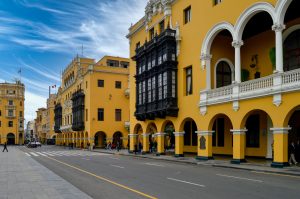
- Urban Adventures: Lima is particularly vibrant during the summer months. With clear skies replacing the winter fog (La Garua), it’s the ideal time to explore the city’s rich culinary scene, historic districts, and coastal promenades.
- Beach Destinations: Paracas and Mancora are perfect for beachgoers. Paracas offers desert-meets-ocean landscapes and access to the Ballestas Islands, while Mancora is a laid-back surf town with warm waters.
Tips for the Coast:
- Schedule your Lima activities around mealtimes to maximize your culinary exploration.
- Visit the Paracas National Reserve for its stunning desert landscapes and wildlife.
- Bring light clothing, sunscreen, and a hat to protect against the summer sun.
What to Do in Peru During December and January
1. Celebrate the Festive Season
- Santuranticuy Christmas Market (Cusco, December 24): One of the largest artisan markets in Peru, featuring handmade gifts, decorations, and traditional foods.
- New Year’s Traditions: Celebrate with locals by wearing yellow for good luck, eating 12 grapes at midnight, and enjoying fireworks displays in cities like Lima, Cusco, and Arequipa.
2. Explore Machu Picchu Without the Crowds
While the rains can add a mystical mist to the ruins, December and January are less crowded, allowing for a more personal connection to this iconic site. Opt for a guided tour to gain deeper insights into its history.
3. Discover the Sacred Valley
Rain showers enhance the Sacred Valley’s natural beauty. Explore the agricultural terraces of Moray, the salt mines of Maras, and the vibrant town of Pisac, known for its market and hilltop ruins.
4. Adventure in the Amazon
Take a guided boat tour to spot pink river dolphins, monkeys, caimans, and vibrant macaws. Rain or shine, the Amazon’s biodiversity is unmatched.
5. Enjoy Lima’s Summer Vibes
- Culinary Exploration: Visit top restaurants like Central, Maido, or explore local favorites like anticuchos and ceviche.
- Cultural Landmarks: Tour the Historic Center of Lima, visit the Larco Museum, and enjoy coastal views from the Miraflores district.
6. Visit the Southern Coast
- Paracas and the Ballestas Islands: Take a boat tour to see sea lions, penguins, and other wildlife in their natural habitat.
- Nazca Lines: Fly over these mysterious geoglyphs etched into the desert landscape.
- Huacachina Oasis: Enjoy sandboarding and dune buggy rides in this desert paradise.
Practical Tips for Visiting Peru in December and January
- Plan Ahead for Holiday Travel:
December and early January see increased travel demand due to the holidays. Book flights, accommodations, and tickets to major attractions well in advance. - Be Prepared for Rain:
The rainy season doesn’t mean constant downpours, but afternoon showers are common. Plan outdoor activities for the mornings and pack weather-appropriate gear. - Pack for Multiple Climates:
Include layers for the Andes, lightweight and waterproof clothing for the Amazon, and breathable summer attire for the coast. - Stay Flexible:
Rain may cause delays or closures, especially for outdoor activities in the Andes. Build extra time into your itinerary. - Acclimate to Altitude:
If you’re visiting Cusco or the Sacred Valley, spend your first day acclimating to avoid altitude sickness.
Peru’s Climate: A Quick Overview
Peru’s climate varies significantly by region—coastal desert, highland mountains, and tropical rainforest—making it a place of striking contrasts. The country’s seasons are divided into two main periods: the dry season and the wet season, with brief shoulder seasons offering unpredictable yet rewarding weather. Here’s a breakdown of what each season offers:
- Dry Season (May-September): Ideal for outdoor adventures with sunny days, cooler nights, and generally dry weather. This period is peak tourist season.
- Wet Season (December-March): Brings heavy rain in the highlands and the Amazon, while the coast, including Lima, remains relatively dry. It’s a time when lush greenery flourishes, but outdoor activities may be limited.
- Shoulder Season (April-May, September-November): Weather can be unpredictable, but it’s quieter, with fewer tourists and mild temperatures—perfect for flexible travelers who enjoy a more intimate experience.
Traveling in Peru’s Dry Season: Sunlit Days and Crisp Nights
May through September is Peru’s dry season, coinciding with winter in the southern hemisphere. This season is perfect for trekking the Inca Trail, exploring Cusco’s festivals, or visiting Machu Picchu under clear skies. Nights can be cold, especially in the Andes, but the days are sunny and comfortable, making it ideal for outdoor activities.
Highlights of the Dry Season
- Machu Picchu and the Inca Trail: With less rain and more predictable weather, trails are open, and views are stunning. Trekking through the Andes is more accessible, and you’re likely to encounter fewer disruptions.
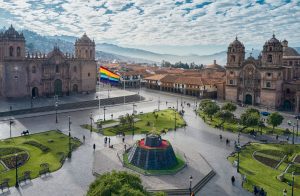
- Cusco’s Festival Season: Winter in Peru is festival season. Inti Raymi, the Festival of the Sun, is celebrated in June and draws thousands to Cusco for this grand Inca celebration.
- Andean Wildlife and Amazonian Treks: The Amazon is also accessible during this season, with lower water levels making forest treks manageable. Be prepared for humid conditions, though, as the Amazon remains warm and lush year-round.
Dry Season Packing Tips: Prepare for temperature shifts by packing layers, especially if you’re heading into the mountains. Evenings can be chilly, and higher elevations can feel cold. Bring sun protection for the strong Andean sun, and don’t forget your camera for clear, panoramic views!
The Coastal Fog in Lima: “La Garua”
While the dry season is bright and clear in the Andes and Amazon, Lima’s coastal desert is blanketed in a dense mist known as “La Garua.” This fog keeps Lima cool and humid, creating a moody atmosphere that feels almost cinematic. Though it won’t appeal to sun-seekers, Lima’s garua season adds a mysterious charm to the city’s colonial architecture and ocean views.
Pro Tip: For the best coastal weather, consider venturing further south along the coast, where sunshine is more likely.
The Wet Season in Peru: Adventurous and Rain-Drenched
Between December and March, Peru’s wet season, or “summer,” takes over. Rain showers sweep across the highlands and Amazon, turning green landscapes into lush, rain-soaked paradises. However, the rainfall makes hiking and mountain trails challenging and sometimes impassable.
Highlights of the Wet Season
- Lima’s Coastal Attractions: Lima’s desert climate means it experiences very little rain, even in the wet season, making it an ideal base for digital nomads or those focusing on city exploration.
- Arequipa and Colca Canyon: Although the wet season brings rain to the highlands, areas like Arequipa and the Colca Canyon often remain accessible with milder temperatures.
- The Amazon Rainforest: The Amazon is lush and teeming with life during the wet season, though trails can be challenging to navigate. Wildlife viewing opportunities remain excellent for those who enjoy rainforest adventures in the high humidity and occasional downpours.
Wet Season Packing Tips: Pack light, moisture-wicking clothing for the rainforest, and a reliable rain jacket for frequent showers. Waterproof hiking shoes are a must, and for those exploring the coast, breathable layers will be your best friend.
Shoulder Season in Peru: A Balance of Rain and Shine
The shoulder seasons, April-May and September-November, are unpredictable but offer a quieter travel experience. This period is perfect for those who prefer fewer crowds and don’t mind the occasional rain shower.
Pro Tip: The shoulder season is also a fantastic time to score deals on accommodations and activities. With slightly lower prices, it’s a budget-friendly option for travelers who are flexible with their plans.
FAQs: All You Need to Know Before Visiting Peru
1. When is the Best Time to Visit Peru?
- Answer: Peru’s dry season (May-September) is widely considered the best time to visit, as weather conditions are ideal for outdoor activities. However, each season offers unique experiences, so the “best” time depends on what you want to see and do.
2. Does It Snow in Peru?
- Answer: Snow falls in Peru’s highland areas, especially at higher altitudes in the Andes. The Cordillera Blanca and Huascarán National Park are particularly snowy, making them popular with trekkers and mountaineers.
3. Does It Snow in Lima?
- Answer: No, it doesn’t snow in Lima. The city experiences a cool, misty fog known as “La Garua” during Peru’s winter months, but the coastal desert climate remains snow-free.
4. What is “La Garua” in Lima?
- Answer: “La Garua” is a dense fog that covers Lima during the dry season, giving the city a cool, atmospheric feel. It can be quite thick, obscuring the sun for days, and creates a moody ambiance for those who enjoy the city’s misty vibe.
5. What Are the Seasonal Challenges in Peru?
- Answer: Seasonal challenges vary by region:
- Coast: Flooding is occasionally an issue due to El Niño events, but overall, the coast remains mild and dry.
- Highlands: Rainy seasons can lead to landslides and trail closures.
- Amazon: High rainfall during the wet season can make trails difficult to navigate, and humidity can be intense.
6. Is the Amazon Accessible in the Wet Season?
- Answer: The Amazon is accessible year-round, but heavy rains in the wet season make travel more challenging. Trails can be muddy and harder to navigate, but for those prepared for the conditions, the rainforest’s lush greenery and wildlife are still a remarkable experience.
7. Are There Any Festivals or Events in Winter?
- Answer: Yes! Winter is prime festival season in Peru, with events like the Inti Raymi festival in June, celebrating the Incan Sun God in Cusco, and Fiestas Patrias, Peru’s Independence Day in July.
Final Verdict: Timing Your Peruvian Adventure
Whether you’re trekking the Andes, exploring the Amazon, or soaking up Lima’s misty charm, the best time to visit Peru is whenever your spirit of adventure calls. Peru’s seasons each bring something distinctive to the experience. The dry season is perfect for classic Andean exploration, the wet season invites rainforest immersion, and the shoulder season offers quieter, budget-friendly travel. Plan according to your interests, check the seasonal details, and get ready to uncover the breathtaking diversity that Peru has to offer.