

My Central Eastern European summer itinerary was taking shape nicely—Prague, Budapest, Vienna—when a text arrived from Jonathan, a friend deep into his year-long world tour. “Just heard Ljubljana is supposed to be incredible for digital nomads. Never been but multiple people said it’s the hidden gem of the region for remote workers. You hitting Slovenia?” I wasn’t, but his enthusiasm was infectious. Two weeks later, I found myself coordinating dinner plans with Jonathan and his girlfriend Jen at Ljubljana Castle, none of us quite sure what we’d gotten ourselves into.
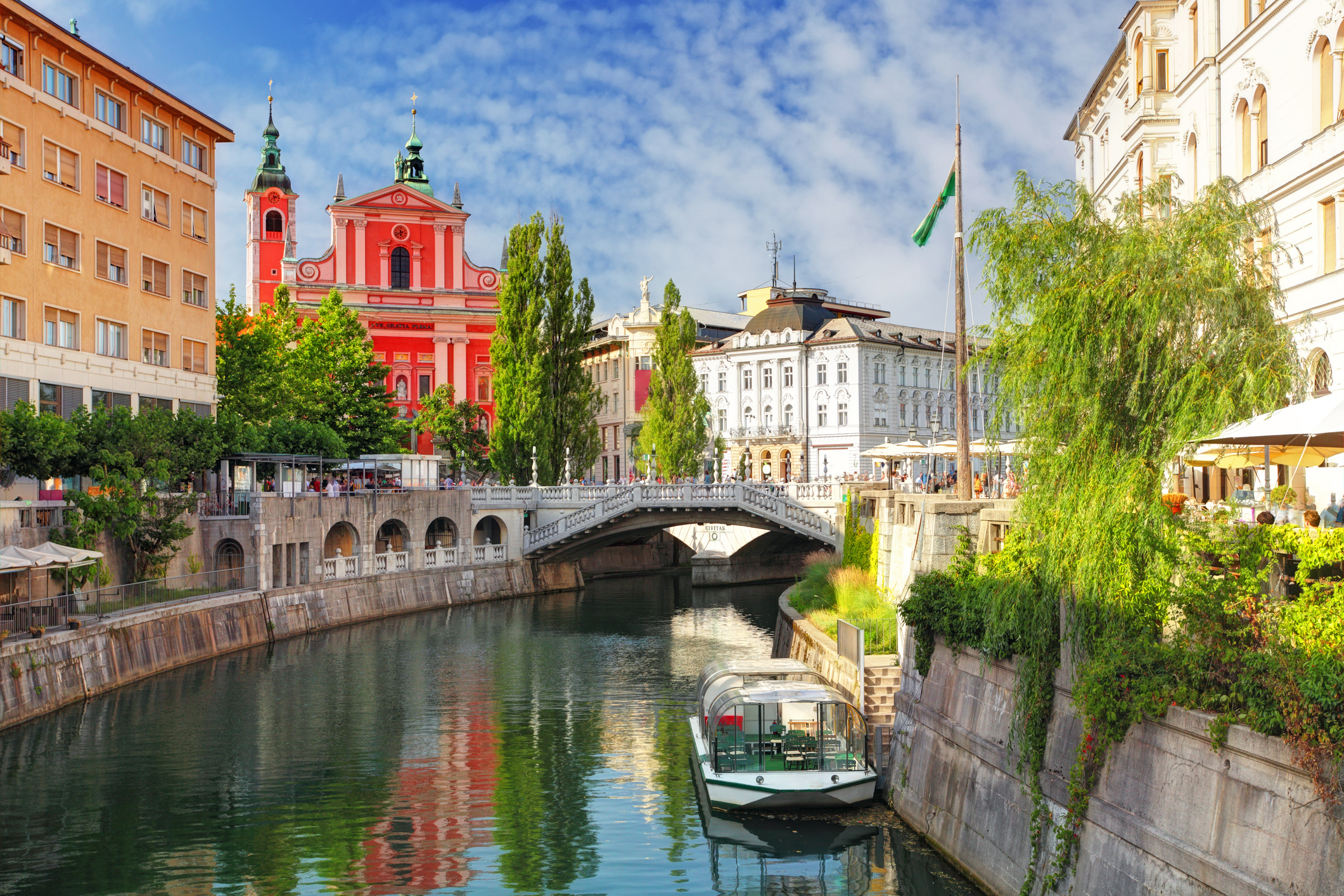
Stepping off the train into Ljubljana’s compact city center, I immediately understood why this place generates such passionate recommendations among location-independent professionals. The medieval bridges spanning the emerald Ljubljanica River, the baroque facades climbing toward that fairy-tale castle, the dragon sculptures guarding street corners—it felt like stumbling into Middle Earth with excellent WiFi infrastructure. Sometimes the best travel decisions come from fellow digital nomads’ secondhand enthusiasm rather than meticulous planning.
Day 1: First Impressions and Medieval Foundations
Morning: Castle Ljubljana and Reunion Anticipation
Started my first day with the uphill walk to Ljubljana Castle, following cobblestone paths that wind through residential neighborhoods before emerging at the medieval fortress commanding the city’s skyline. The 15-minute climb offers glimpses of the city’s layout below—those distinctive green copper domes, the baroque churches, and the Ljubljanica River threading between ancient and modern architecture.
The castle grounds provide the perfect orientation to Ljubljana’s compact geography. From these ramparts, you can see the entire Old Town spreading below, the Tivoli Park extending westward, and the Julian Alps rising in the distance. What struck me most was how manageable everything appeared—a proper European capital that doesn’t require military-level logistics to navigate.
The castle itself houses restaurants, galleries, and event spaces without feeling like a theme park. During summer, the courtyards host various cultural events and exhibitions that justify the modest entrance fee beyond just the views.
Evening: Michelin-Starred Reunion
Meeting Jonathan and Jen for dinner at Strelec Restaurant proved the perfect welcome to Ljubljana. Four hours flew by as we caught up on his world tour stories while experiencing Chef Igor Jagodic’s seven-course interpretation of Slovenian cuisine. At €150 per person, it’s a significant investment, but the experience justified both the cost and the castle setting—sophisticated cooking that revealed Slovenia’s culinary potential far beyond our collective expectations. The service matched the food quality, and the castle terrace setting made for an unforgettable reunion dinner.
Afternoon: Digital Nomad Infrastructure and Legal Considerations
Ljubljana’s pedestrianized zones around Preseren Square and along the Ljubljanica River create natural gathering spaces perfect for location-independent professionals. The numerous cafes with outdoor seating offer genuine workspace options rather than tourist-trap coffee stops, with reliable WiFi that actually supports video calls and client work.
For digital nomad attorneys and lawyers working remotely from Slovenia, Ljubljana provides an interesting legal jurisdiction with EU membership benefits. The city’s growing tech sector and entrepreneurial community offer networking opportunities for legal professionals specializing in international business, intellectual property, and cross-border transactions. Slovenia’s digital nomad visa program makes extended stays feasible for remote working lawyers seeking to establish European presence.
The compact urban design means coworking spaces, legal libraries, and professional services cluster within walking distance. For nomadic attorneys requiring access to legal resources, the University of Ljubljana Law Library provides research facilities, while several international law firms maintain offices serving the broader Balkan region.
Evening: Feast of Assumption Street Food Festival
My timing aligned perfectly with the Feast of Assumption celebrations, transforming Ljubljana’s central squares into an outdoor food market. The street food festival offered my first real taste of Slovenian cuisine beyond hotel breakfast spreads—čevapi with fresh bread, traditional potica pastries, and local wines that pair beautifully with the warm summer evening.
The festival atmosphere revealed something important about Ljubljana’s social culture: locals and tourists mingled naturally without the visible tension you feel in over-touristed destinations. Conversations struck up easily, service remained consistently friendly despite the crowds, and prices stayed reasonable even during the celebration. A stark contrast to similar festivals in Italian cities, where vendors often double prices and patience runs thin.
Day 2: Cultural Depth and Digital Nomad Infrastructure
Morning: Street Art and Sculptural Surprises
Rather than hitting traditional museums, I spent the morning exploring Ljubljana’s impressive outdoor art scene. The city’s commitment to public art creates an open-air gallery experience that costs nothing but time. The sculptures scattered throughout Old Town range from whimsical to genuinely unsettling—particularly the bronze figures emerging from building facades and the abstract pieces that seem to watch you from unexpected corners.
What captivated me most was how these artistic elements enhance Ljubljana’s Middle Earth atmosphere rather than competing with it. Modern sculptures complement medieval architecture in ways that feel organic rather than forced. The dragon motifs appearing throughout the city—from the famous Dragon Bridge to subtle decorative elements—create visual continuity that makes wandering feel like following a treasure map.
The street art scene impressed me even more than the formal sculptures. Unlike the aggressive tagging common in larger European cities, Ljubljana’s street art feels curated and respectful of its historical context. Murals incorporate architectural features cleverly, and the overall quality suggests artists who understand their canvas matters as much as their message.
Afternoon: Remote Work Infrastructure and Professional Networking
Needed workspace away from my Airbnb’s excellent but cramped setup, so tested Ljubljana’s digital nomad infrastructure around Tivoli Park. Several cafes along the park’s perimeter offer reliable WiFi, comfortable seating, and afternoon shade—essential during summer’s intense heat. The Park Hotel’s lobby provides premium workspace with strong connectivity, though they expect beverage purchases if you camp there for hours.
Ljubljana’s summer heat hit harder than expected, reaching 32°C by midday. The saving grace: most restaurants and all accommodation options include air conditioning or at least effective cooling systems. Outdoor dining becomes comfortable again after 6 PM when temperatures drop and establishments activate their misting systems—a thoughtful infrastructure investment that extends the working day for remote professionals.
For digital nomad lawyers and attorneys, Ljubljana offers unique advantages. Slovenia’s position in the EU provides access to European legal markets while maintaining lower operational costs than Western European capitals. The local legal community welcomes international collaboration, and several coworking spaces specifically cater to legal professionals working across jurisdictions.
Evening: Local Bar Discovery and Authentic Musical Magic
The best discovery happened by accident while searching for affordable drinks away from tourist-priced establishments around Preseren Square. A local pointed me toward the south side of Old Town, where I stumbled into what appeared to be Ljubljana’s best-kept secret—a tiny bar where beer costs €2.50 and locals actually outnumber visitors.
The magic moment came when an impromptu musical trio appeared with accordion, tuba, and impressive enthusiasm. No stage, no announcement, just three friends who decided the evening needed live music. For forty minutes, they performed traditional Slovenian folk songs mixed with surprisingly good jazz interpretations, while bar patrons sang along or danced in the cramped space between tables.
This experience crystallized what makes Ljubljana special—authentic local culture that happens organically rather than being performed for tourist consumption. The musicians weren’t buskers seeking tips; they were locals adding spontaneous joy to their neighborhood hangout. Finding these moments requires stepping away from guidebook recommendations, but Ljubljana’s compact size makes such discoveries nearly inevitable.
Day 3: Practical Reality and Honest Assessment
Morning: Market Exploration and Cost Analysis
Ljubljana’s Central Market operates daily along the river, offering fresh produce, local specialties, and artisan goods. Prices proved reasonable compared to Western European standards—fresh peaches at €2/kg, local cheese selections around €15/kg, artisan bread under €3. For nomads planning extended stays, grocery costs align with lower local wage levels rather than tourist pricing.
The market’s layout encourages browsing without aggressive sales tactics. Vendors speak excellent English, accept cards readily, and provide helpful recommendations without pushing expensive items. This reflects Ljubljana’s broader service culture—consistently professional and friendly without feeling performative.
Afternoon: Transportation and Urban Planning Assessment
Ljubljana’s public transportation system runs efficiently with buses connecting residential areas to city center every 15 minutes during business hours. The €1.30 single trip fare or €5 day pass makes exploration affordable, though the compact city center rarely necessitates public transport for tourists.
Walking remains the optimal navigation method—well-maintained sidewalks, clear signage in multiple languages, and logical street layouts that actually help you find destinations rather than creating tourist confusion. This urban planning competence extends to WiFi availability, public restrooms, and general infrastructure maintenance.
Evening: Final Dinner and Comparative Analysis
My last evening at Odprta Kuhna (Open Kitchen) food market reinforced Ljubljana’s practical advantages over comparable Italian destinations. Quality local food vendors, reasonable prices, diverse options accommodating dietary restrictions, and space to eat comfortably without rushing. The entire experience cost €18 for substantial portions of three different preparations plus local beer.
Service throughout my stay maintained consistent friendliness without the dramatic variations common in tourist-heavy Italian cities. Restaurant staff, hotel personnel, and retail workers demonstrated genuine helpfulness rather than tourist-focused performative service.
What I Loved vs. What Disappointed Me
What Genuinely Impressed Me
Navigational Sanity: Ljubljana delivers European charm without the tourist infrastructure chaos plaguing Italian destinations. Streets make sense, signage helps rather than confuses, and you can actually reach destinations without constant GPS consultation.
Service Culture Authenticity: Three days of consistently friendly, competent service across restaurants, shops, and attractions. No obvious price discrimination for tourists, no pressure tactics, no service quality fluctuations based on language or appearance.
Professional Infrastructure: Reliable WiFi throughout city center, numerous workspace options, efficient public services, and genuine air conditioning during summer heat. Ljubljana functions as a modern European capital while preserving historical character.
Value Proposition: Comparable beauty to Italian destinations at 30-40% lower costs, with superior service standards and tourist-friendly infrastructure.
What Left Me Wanting More
Culinary Expectations vs. Reality: While service excelled and ingredients showed quality, Slovenian cuisine lacks the sophistication I expected from such an otherwise polished destination. Good, solid fare without memorable flavors or innovative preparation. The Michelin-starred castle dinner exemplified this—technically competent but uninspiring for the investment.
Summer Heat Management: Despite air conditioning and misting systems, Ljubljana’s summer temperatures make afternoon sightseeing uncomfortable. The medieval stone surfaces retain heat, and limited tree coverage in tourist areas provides minimal natural cooling.
Tourism Season Crowds: Even in a less internationally famous destination, summer brings significant tourist populations that strain restaurant reservations and create lines at major attractions. Not overwhelmed like Florence, but noticeably busier than expected.
Limited International Recognition: Ljubljana’s lower profile means fewer direct flight connections and less comprehensive tourism resources compared to established European capitals.
Why Ljubljana Works for Digital Nomad Attorneys and Legal Professionals
After three days navigating Ljubljana’s practical realities, I understand why experienced digital nomads recommend it over more famous alternatives. This city has solved the fundamental challenge facing location-independent lawyers—delivering authentic cultural experiences without punishing remote workers for existing.
Ljubljana represents what legal professionals need from a nomad destination: reliable infrastructure, reasonable costs, and access to European legal markets. You get the architectural beauty, historical significance, and European sophistication without the constant friction that makes working from tourist destinations exhausting.
For digital nomad attorneys, Slovenia offers compelling legal advantages. EU membership provides access to European courts and legal systems, while the digital nomad visa program facilitates extended stays. The local legal community embraces international collaboration, creating opportunities for cross-border legal work, intellectual property cases, and international business transactions.
The professional infrastructure supports genuine remote legal work rather than forcing compromises. Local business culture welcomes international legal professionals, and the cost structure allows quality accommodation and dining without budget stress that impacts client service quality. Most importantly, Ljubljana treats location-independent professionals as economic opportunity rather than necessary evil—a perspective reflected in every professional interaction.
For nomadic lawyers seeking Central European bases, Ljubljana offers compelling advantages over Prague’s overcrowding, Vienna’s expense, or Italian cities’ operational challenges. Three days convinced me this deserves serious consideration for legal professionals planning extended European stays.
Practical Planning Guide for Digital Nomad Lawyers
Budget Expectations for Remote Working Attorneys
- Accommodation: €150-200/night for quality central location with reliable AC
- Coworking spaces: €15-25/day for professional workspace with legal resources
- Dining: €20+ per dish for restaurants near city center, €40+ for upscale dining
- Legal services/consultations: €80-150/hour for local legal advice
- Attractions: €8-13 for major sites, many outdoor areas free
- Transportation: €5/day for public transport, though walking suffices
- Total daily budget: €250+ for comfortable professional lifestyle
Recommended Workspaces for Digital Nomad Attorneys
Coworking Spaces:
- POLIGON Creative Centre: Modern coworking space with reliable WiFi, meeting rooms, and professional atmosphere. €20/day, located near Tivoli Park.
- Kreatorij: Boutique coworking space favored by international professionals. Strong connectivity, quiet work zones, €25/day.
Cafe Workspaces:
- Café Kavarna Union: Spacious cafe with excellent WiFi near Preseren Square. Multiple power outlets, comfortable seating, perfect for calls.
- Tozd: Trendy spot with reliable internet and laptop-friendly atmosphere. River views, outdoor seating with shade.
- Café Čokl: Professional crowd, strong coffee, consistent WiFi. Popular with local business community.
- Park Hotel Lobby: Premium workspace environment with excellent connectivity, though beverage purchases expected for extended stays.
Seasonal Timing for Legal Work: May-June or September optimal for professional meetings; July-August manageable with proper workspace setup and AC.
Ljubljana succeeds where many European destinations struggle for digital nomad attorneys—combining authentic cultural experiences with practical functionality for international legal professionals. Three days provided convincing evidence this compact capital deserves broader recognition among location-independent legal communities.