Landing in Lima for the first time, I’ll admit, I wasn’t sure what to expect. After all, the whispers about South America’s safety record had been enough to leave me on edge. As the taxi bumped its way through the bustling streets of the capital, past crumbling colonial facades, chaotic markets, and the constant honk of traffic, I couldn’t shake the feeling that I had to stay on guard. The city had that electric energy that draws you in but keeps you guessing. I’d read the travel blogs, heard the warnings, and had a vague sense that I needed to keep my wits about me. But as the days passed, Lima started to work its magic.
After a week, though, I felt at ease. The same streets that seemed intimidating at first light now felt like a vibrant pulse I could sync with. I wandered through Miraflores, where locals walked their dogs along the cliffside, the Pacific crashing below. I lost myself in Barranco’s bohemian cafés and street art, sipping pisco sours like a local. The food was enough to distract me from any lingering doubt. Before too long, the city’s rhythm felt natural, the locals welcoming. Lima, like the rest of Peru, had a way of making me feel not just like a visitor, but like I belonged.
This guide isn’t just about whether Peru is safe—it’s about how you can walk into this rich, layered culture, unsure at first, and leave feeling like it’s a second home. Whether you’re trekking through Cusco, navigating Lima’s streets, or exploring the dense Amazon, I’ve gathered every bit of practical advice you’ll need to feel secure, so you can focus on what really matters: living the experience.
Understanding the Safety Landscape of Peru
Peru, in many ways, is as safe as any popular tourist destination in the world, if not safer. Having worked from the glitzy neighborhoods of Lima, to hiking the enchanting Inca Trail we can confidently say that this place doesn’t just welcome tourists—it embraces them with a contagious warmth that makes you feel like you’ve found your second home. You’re more likely to encounter a pisco sour-induced headache than anything genuinely hazardous.
Peru pulls in millions of visitors every year, and while petty crimes like pickpocketing occasionally happen, the overall crime rate affecting tourists is low. The country has maintained a tourist casualty rate of less than 0.5% annually. The numbers don’t lie—Peru is a land of safe passage for the vast majority of visitors. And though we didn’t have any negative run-ins, it’s important to stay alert, because no matter where you go, complacency makes you a target.
Stay Smart, Stay Safe: Precautions When Traveling in Peru
Now that we’ve set the scene, let’s get real for a moment. As much as Peru is a spectacular travel destination, it’s still crucial to keep your wits about you. This isn’t just about Peru, though—it’s common sense for any trip.
Stay Conscious of Your Environment
If you’ve ever traveled through major cities—think New York, Bangkok, or Rome—you already know the drill. Keep your belongings close, especially in crowded areas like plazas, markets, and transport hubs. Pickpocketing exists, but it’s no different from what you’d expect in any large, urban area. Stay sharp, use the hotel safes, and don’t be that tourist with their phone dangling out of their back pocket. Lima’s markets can be a sensory overload of colors, sounds, and smells, but don’t get too lost in the moment—keep your gear locked down.
Accommodations: Go for Reputable and Reviewed
Your crash pad plays a big role in how safe you’ll feel. From our own experience, hostels and hotels with great online reviews don’t just provide comfort—they tend to offer reliable security measures as well. In cities like Lima or Cusco, you’re spoiled for choice with accommodations that are both charming and secure. Plus, staying in a place with a solid reputation means you’ll meet like-minded travelers, which always amps up the safety factor. Overall, we found AirBnB host to be both accomdating and knowledgeable about safety in their local respective cities. We had positive experiences in Lima, Arequipa, and Cusco.
Uber Safety Tips and How to Avoid Ridesharing Scams in Peru
When it comes to getting around Peru’s bustling cities, ride-sharing apps like Uber are a popular and usually safe option. But just like anywhere else in the world, a few bad apples can spoil the bunch. We found Uber drivers in Peru to be generally friendly and efficient, but there are some scams to be aware of, especially in Lima.
Common Uber Scams in Peru
- App Manipulation: Some drivers mark you as “picked up” before they even arrive, causing you to cancel and get hit with a cancellation fee. Others may pick you up but close the Uber app mid-ride, demanding a cash payment instead—often at inflated rates.
- Fare Maximization: Uber drivers often juggle multiple ride-hailing apps and will cancel or delay your ride if they find a higher-paying fare on another platform. This leaves you waiting for a car that never arrives.
- Cancellations and No-Shows: It’s not uncommon for drivers to cancel rides at the last minute, especially for airport pickups. You could end up stranded and forced to book another ride, sometimes incurring cancellation fees.
- Overcharging: While Uber fares are generally fair, airport trips are notorious for drivers attempting to overcharge. Some may claim that their air conditioning is broken, even in Uber Black vehicles, which are supposed to offer premium service.
How to Avoid These Scams
- Always keep track of your ride in real-time through the app and don’t hesitate to cancel if something feels off.
- If a driver closes the app and demands cash, refuse and report them immediately through the app.
- For airport rides, consider alternative transport options like the Airport Express Lima bus service to avoid cancellations and inflated fares.
- Make sure to check the driver’s rating and reviews before confirming your ride, and stick with well-rated drivers to reduce your chances of cancellations or scams.
By staying savvy, you can enjoy the convenience of Uber while sidestepping any potential issues. After all, the goal is to focus on the journey, not worry about how you’re getting there.
Common Scams in Peru and How to Dodge Them
Wherever you find tourists, scammers will surely follow. But fear not, the scams in Peru are pretty run-of-the-mill and, with a little common sense, entirely avoidable.
Carry Small Bills and Coins
If you’re planning to interact with local vendors or hop into a taxi, always have some small change on hand. Don’t expect a street-side vendor to break your 100-sol note—they’ll just shrug and claim they don’t have any change. Worse yet, some might not be all that eager to give you back the full amount you’re owed.
Fake Police Officers
Though we didn’t encounter this personally, stories about fake cops have trickled through the traveler grapevine. They’ll stop you, demand to see your passport, and maybe even try to finagle some cash out of you for “not having proper documentation.” Easy fix: keep copies of your documents on hand, ask to see their ID or badge, and most importantly, stay calm.
Beware of Counterfeit Money
When dealing in cash, particularly in more rural areas, always take a second to double-check your change. Peru, like many countries, occasionally has issues with counterfeit bills. Not a major threat, but one that’s better to sidestep entirely.
Safety Tips for Specific Areas in Peru
From cosmopolitan Lima to the high-altitude mystique of Cusco, Peru’s got a bit of everything. Here’s how to stay on top of your game in its major tourist hotspots.
Lima: A City of Contrasts
Lima is a beast of a city—fast-paced, sprawling, and absolutely electric. It’s home to some of the best restaurants in the world and a buzzing nightlife scene. Our advice: explore its treasures by day, and by night, stick to reputable neighborhoods like Miraflores or Barranco. These areas are known for their vibrant art scenes and swanky bars, and they’re also safe and easy to navigate for tourists. There are of course certain neighborhoods to avoid in Lima, but staying anywhere near Miraflores or Barranco will almost guarantee a worry-free visit.
Cusco: The Gateway to the Andes
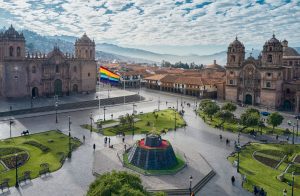
Cusco, the jumping-off point for Machu Picchu, is where you’ll feel the blend of ancient culture and modern adventure. The city itself is safe, but always be mindful when venturing into the more remote areas for hikes. Keep your valuables tucked away when wandering through the markets, and make use of lockers or safes for your larger gear when hitting the trail.
Arequipa: A volcanic gem
Arequipa is a city that lives up to its nickname—the White City—thanks to its striking colonial architecture made from white volcanic stone and its breathtaking mountain backdrop. While exploring this charming and historic city, it’s important to prioritize safety by choosing accommodations in well-regarded areas. Neighborhoods like Yanahuara or Vallecito offer a balance of comfort and security, with a variety of boutique hotels and guesthouses. Stick to these popular areas, especially at night, and always follow local advice to ensure a smooth experience. Pack sunscreen for the high altitude, and embrace the cultural richness of Arequipa.
Health and Medical Safety in Peru
Tropical illnesses like malaria can be a concern if you’re exploring the Amazon, so consult with a healthcare provider before your trip. Altitude sickness is another common issue for visitors to high-altitude areas like Cusco. Hydration and taking it slow when you arrive will go a long way in adjusting to the thinner air.
Verdict: Is Peru Safe?
In a word: yes. Peru is safe, vibrant, and overflowing with experiences that will stay with you for a lifetime. Its welcoming locals, delicious cuisine, and breathtaking landscapes make it a premier destination for solo travelers, digital nomads, and adventure junkies alike. By following a few simple precautions, you’ll be free to enjoy the wonder of this magical land.
FAQ
Is Peru Safe for Tourists in 2024?
Yes, Peru remains a safe destination for tourists in 2024, but it’s important to be aware of common risks, as in any country. The Peruvian government actively prioritizes tourism because it is a major part of the economy. As a result, you’ll find a strong police presence in popular tourist areas like Lima, Cusco, and Machu Picchu.
That said, petty crime such as pickpocketing and bag-snatching can happen, particularly in crowded areas like public markets, bus stations, and busy streets. Travelers should take normal precautions: keep valuables secure, avoid showing large amounts of cash, and use trusted transport options. In cities, particularly Lima, certain neighborhoods are safer than others—Miraflores and Barranco are highly recommended for tourists. Remote areas, like the Amazon, are also quite safe, especially when traveling with a guide, but jungle hazards (wildlife and terrain) mean it’s crucial to follow safety guidelines.
Is Cusco, Peru Safe?
Yes, Cusco is generally safe for tourists, including solo travelers, but it’s essential to stay alert, especially in more crowded areas. Cusco’s tourism industry is well-developed, and the local authorities have put measures in place to ensure the safety of the millions of tourists who visit annually. The historical center, where most of the city’s attractions are located, is heavily policed, making it safe for walking around during the day and even in the evenings.
The most common issue tourists face in Cusco is petty theft, particularly in touristy areas like the San Pedro Market and near the Plaza de Armas. Keep an eye on your belongings, and avoid carrying expensive items in plain sight. Another factor to consider is altitude sickness, as Cusco sits at over 11,000 feet (3,400 meters) above sea level. Travelers often feel the effects shortly after arriving, which can include headaches, dizziness, and nausea. It’s wise to acclimatize for a day or two before doing strenuous activities like hiking or visiting high-altitude locations such as Machu Picchu or the Sacred Valley. Hydrate, take it slow, and consider taking altitude sickness medication if needed.
Is Peru Safe for Solo Female Travelers?
Yes, Peru is generally safe for solo female travelers, though caution is always recommended. The country has become increasingly popular with female travelers thanks to its rich culture, stunning landscapes, and well-trodden tourist trails. However, women traveling alone should take certain precautions, especially in larger cities like Lima and Arequipa.
Some tips for staying safe include avoiding walking alone late at night in unfamiliar or poorly lit areas and steering clear of less populated neighborhoods, particularly after dark. If possible, opt for accommodations in safer, more tourist-friendly areas like Miraflores in Lima or the historic center of Cusco. Local women in Peru tend to dress modestly, so dressing similarly can help avoid unwanted attention.
Street harassment, while not extremely common, can happen, particularly in more traditional or rural areas. It’s best to ignore catcalling and avoid engaging. If using taxis or ride-hailing apps, stick to well-reviewed drivers, and always share your location with someone you trust. Most importantly, trust your instincts—if something feels off, remove yourself from the situation.
What is the Current Situation for Tourists in Peru?
Peru is currently stable and welcoming to tourists, and the country has recovered significantly from the pandemic-related travel restrictions of past years. As of 2024, more than 2.5 million tourists visited Peru in 2023, with this number expected to grow. Popular destinations like Machu Picchu, Lima, and Cusco continue to operate smoothly, with no significant security threats affecting tourists.
However, as in many countries, protests and strikes can occasionally disrupt transportation or access to specific areas. These events are typically well-publicized in advance, and travelers are encouraged to check for local news updates, particularly regarding road closures or delays in rural areas. When traveling outside of major cities, especially in the highlands or Amazon regions, it’s advisable to plan for longer travel times and always have an alternative route in mind.
Is Uber Safe in Peru?
Using Uber in Peru is generally considered safe, especially in larger cities like Lima and Cusco. The app is widely used by both locals and tourists, making it a reliable option for getting around without having to haggle over prices with street taxis. However, as mentioned earlier, there are some specific Uber scams to be aware of in Peru.
Common issues include drivers marking passengers as “picked up” before they actually arrive, forcing you to cancel and pay a fee, or drivers closing the app mid-trip and demanding cash payments. Some may also overcharge, particularly for airport trips. To avoid these scams, always check the driver’s rating, verify that the ride is being tracked through the app, and avoid paying in cash unless absolutely necessary.
Despite these scams, Uber remains a safer alternative to random taxis, particularly late at night. It’s recommended to use Uber for longer trips, like from the airport to your hotel, and to confirm all payments are processed through the app to avoid any fraudulent charges.
Do I Need Vaccinations to Travel to Peru?
Yes, depending on the areas you plan to visit, certain vaccinations are highly recommended. For most tourists sticking to popular cities like Lima, Cusco, and Arequipa, standard travel vaccines such as Hepatitis A, Typhoid, and routine vaccinations (MMR, Diphtheria, Tetanus, and Polio) are generally sufficient. However, if you plan to visit the Amazon Basin or any tropical rainforest areas, it’s advised to get vaccinated for Yellow Fever. Some travelers also consider taking anti-malarial medications for trips to jungle regions, although malaria risk is low in most tourist areas.
Consult your healthcare provider several weeks before your trip for personalized advice based on your health status and travel plans. Additionally, altitude sickness is a common issue in higher regions like Cusco and Puno (Lake Titicaca). There’s no vaccine for altitude sickness, but over-the-counter medications can help alleviate symptoms.
What Should I Do if I Experience a Medical Emergency in Peru?
If you encounter a medical emergency in Peru, your first point of contact should be your accommodation—many hotels in tourist areas have protocols in place for handling such situations. In major cities like Lima and Cusco, there are several international-standard private hospitals and clinics, particularly in areas popular with tourists. Ensure that your travel insurance covers medical emergencies, including evacuations, if necessary.
Public healthcare is available, but private clinics are recommended for foreigners due to shorter wait times and higher standards of care. If you’re in a more remote location, such as the Amazon Basin or rural highlands, medical facilities may be limited, so it’s wise to carry a basic first-aid kit and any prescription medications you need.
For emergencies, you can dial the national emergency number (106 for medical emergencies) or (105 for police assistance).