Introduction
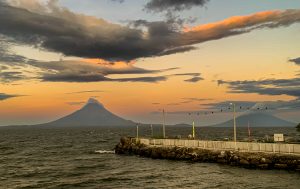
Nestled in Costa Rica’s northern highlands, La Fortuna and Nuevo Arenal offer digital nomads a blend of adventure and remote-work comfort. La Fortuna is a lively tourist hub at the base of the iconic Arenal Volcano, known for its hot springs, waterfalls, and bustling town center. An hour’s drive around Lake Arenal is the quieter village of Nuevo Arenal, a hilltop town overlooking the country’s largest lake. Nuevo Arenal boasts tranquil lake views, a friendly expat community, and a laid-back vibe.
This guide covers everything a digital nomad needs – from coworking spots and cafes with reliable Wi-Fi to lodging options for all budgets, transportation logistics, activities, cost of living, and the best times to visit. Let’s dive in!
Getting There and Transportation
Although its possible to get to, and around the Arenal area without a car, we recommend renting a car because public transportation is not plentiful within town. Also, all the interesting activities will not be within walking distances. Coordinating rides will grow tiresome quickly, given there are no reliable rideshare apps. The good news is that driving in Costa Rica is very safe and easy. The roads are mostly in good condition and there are few difficult or stressful passes in the area.
To La Fortuna: Most travelers fly into either San José (SJO) or Liberia (LIR). From SJO (Juan Santamaría International Airport), the journey by road is ~3 hours.
Public Bus: A direct bus operated by Transportes San Carlos departs San José’s 7-10 Terminal each morning around 8:40 AM (₡3,000, approx $5, ~4 hours). If you miss the direct bus, you can take a bus to Ciudad Quesada (San Carlos) and transfer to La Fortuna – an option that runs later in the day.
Shuttles: Shared tourist shuttles run twice daily from San José to La Fortuna (about 4–5 hours, typically one early morning and one mid-afternoon) for around $50–$60 per person. These offer door-to-door service and comfort (air-conditioning, luggage handling).
Private Transfers: Hiring a private driver costs roughly $150–$180 one-way from SJO, ideal for groups or those with lots of luggage.
Domestic Flight: For a quick trip, Sansa Airlines operates a 30-minute flight from SJO to La Fortuna/Arenal Airport (FON), with fares around $100–$120 one-way. Flights run seasonally (primarily in the dry season) on small Cessna aircraft – a scenic hop over the mountains.
To Nuevo Arenal: Nuevo Arenal is about 3.5 hours from SJO and ~2 hours from LIR by car. There is no direct public bus from San José to Nuevo Arenal, but you can bus to Tilarán (the regional hub west of Lake Arenal) and then on to Nuevo Arenal.
Public Bus (from San José): Buses from San José to Tilarán run a few times a day (e.g. from Terminal 7-10, ~4 hours). Once in Tilarán, Nuevo Arenal is about 30 km east; you can catch a local bus or taxi for the last leg. One TripAdvisor report notes that Tilarán is about 8 km from Nuevo Arenal, but in reality the road distance is closer to 30 km – plan an extra 45 minutes by bus or taxi for this segment.
Public Bus (from Liberia): From LIR airport or Liberia city, you can reach Nuevo Arenal by connecting buses: take a bus from Liberia to Cañas (1–1.5 hours, ~$3), then Cañas to Tilarán (around midday, ~$1.50), and finally Tilarán to Nuevo Arenal (early afternoon bus, ~$4). One traveler itinerary was: Liberia → Cañas → Tilarán (depart 12:00) → La Fortuna (via Nuevo Arenal, depart 12:30, arrive ~2:00 PM). This route takes ~4–5 hours total.
Shuttles: Shared shuttles directly to Nuevo Arenal are less common than to La Fortuna, but some companies and drivers offer them. Expect to pay similar prices to La Fortuna routes (around $50–$60 per person for shared, or $150–$180 for private). Services like Costa Rica Shuttle and Anywhere.com provide door-to-door shuttles to Nuevo Arenal if booked in advance.
Driving: Renting a car gives maximum flexibility. The roads to La Fortuna and Nuevo Arenal are paved but winding and occasionally bumpy.
A 4×4 is not required, though in rainy season it can be reassuring. From SJO, the drive to La Fortuna is about 130 km – budget 3+ hours due to curvy roads. From Liberia to Nuevo Arenal (115 km) is roughly 2–2.5 hours through Cañas and around Lake Arenal. Use a GPS or Waze for navigation (Costa Rican roads lack clear signage).
Within and Between the Towns: La Fortuna itself is compact – you can walk around the central area easily. To reach the nearby waterfalls, hot springs, or Arenal National Park, you’ll need transport.
Taxis: Official red taxis are plentiful in La Fortuna’s center; most rides in town cost just a couple of dollars. Note that while Uber technically operates in La Fortuna, in practice it’s hit-or-miss due to the small driver pool – you may wait a long time or not find a ride. It’s generally easier to hail a licensed cab on the street or have your hotel call one. Typical taxi rates in Costa Rica are around $1–$1.25 per kilometer, so a 5 km ride might be ~$5. Nuevo Arenal is very small with no formal taxi rank; lodgings can call a taxi from Tilarán if needed, but many visitors here rent a car.
Scooters & Bikes: In La Fortuna, you can rent bicycles or scooters to get around. Local shops (e.g. Arenal Adventure) offer daily rentals– a bike is a fun way to explore local roads, while a scooter can even take you out to the lake or nearby towns. Always wear a helmet and drive cautiously on the narrow roads.
Public Transport: There is limited local public transport within each town beyond occasional informal vans. However, there is a useful intercity bus connecting La Fortuna and Nuevo Arenal (via Tilarán). Buses between La Fortuna and Tilarán run 3 times daily in each direction. For example, from La Fortuna buses depart around 6:30 AM, 11:30 AM, and 3:55 PM; from Tilarán (passing Nuevo Arenal en route) at 7:00 AM, 12:20 PM, and 3:30 PM. The journey between La Fortuna and Nuevo Arenal takes ~2 to 2.5 hours and costs about ₡2,950 (≈ $5). This public bus is a convenient budget option for town-to-town travel (note: it’s a typical Costa Rican bus – no AC, likely to make stops, but generally reliable). Within Nuevo Arenal, there is no need for public transit – the downtown strip is walkable, and most outlying attractions (like lake activities) will require a car or tour pickup.
Coworking Spaces & Laptop-Friendly Cafes
La Fortuna: Coworking & Cafes
Despite being a small town, La Fortuna caters well to digital nomads with several places to work remotely. The top choice is Selina CoWork La Fortuna, a dedicated coworking space run by the popular Selina hostel chain. Located just a block from the central park (75 m east of the bus terminal), Selina’s cowork space offers ~24 hot desks, private breakout areas, and even phone booths for calls(coworker.com. You can purchase a daily, weekly, or monthly pass which grants you high-speed internet (users report ~80–90 Mbps download speeds(nomadphotographer.com), access to a meeting room, free coffee/tea, printing facilities, and invites to community workshops or networking events. The vibe is tropical and relaxed – large windows face lush greenery and there’s a pool on-site for breaks. Selina also runs an on-site café/bar and wellness activities like yoga, making it a one-stop hub for work and play.
Another great spot is Socialtel La Fortuna, a newer coworking hostel concept. Part of the Socialtel chain, it combines stylish accommodation with a dynamic work environment(crnomads.com). Socialtel provides high-speed internet, communal work areas, private meeting rooms, and even hosts community events for networking(crnomads.com). Digital nomads praise its modern design and social atmosphere. (Insider tip: Socialtel’s poolside area and café are also laptop-friendly, so you can take calls with Arenal Volcano in view.)
Beyond formal coworking spaces, La Fortuna has several laptop-friendly cafes. A favorite is Cafecito, known for its reliable Wi-Fi and good coffee. It’s a casual cafe where you can comfortably spend a few hours working – grab a cappuccino and you’ll see other nomads with their laptops. For a strong brew and early start, check out Arábigos Coffee House on the main street. Arábigos is a stylish cafe with plenty of seating, great coffee, and a central location – “a nice place to start the day,” notes one digital nomad(vegandigitalnomad.com). Another option is Organico Fortuna, an organic café/restaurant with a small attached shop. They serve smoothies, healthy bowls, and have Wi-Fi in a garden setting; it’s a bit pricier, but the atmosphere is excellent for a working lunch(vegandigitalnomad.com.)
If you’re feeling adventours and want to check out El Castillio, the town wedged between Volcan Arenal and Lake Arenal, check out the JungleLounge. Ran by an ex-pat from Detroit, they sling delicous and unique cocktails with a breathtaking view of the Volcano. You can also purchase coffee, espresso, and eat from their rotating menu. Just beware: if you’re caught in a rainstorm, the internet will likely go out!
If you need a quiet environment, many hotels in La Fortuna have lobbies or common areas with Wi-Fi – for example, Volcano Lodge’s lobby or Arenal Hostel Resort’s garden bar can be workable during off-peak hours. And don’t overlook hostels with coworking amenities: places like Selina and others (e.g. Sky Hostel or La Choza Inn) specifically advertise work-friendly spaces, complete with desks and outlets (hostelz.comhostelz.com). The key is to explore a few spots and find the Wi-Fi that suits you. But overall, you’ll find La Fortuna quite accommodating to remote workers, with multiple cafes and at least two dedicated coworking venues in town.
Nuevo Arenal: Wi-Fi and Work-Friendly Spots
Nuevo Arenal is much smaller and does not yet have a dedicated coworking center – but digital nomads will still find it possible to work from here. Internet connectivity is widely available: virtually every hotel, B&B, and restaurant in Nuevo Arenal offers Wi-Fi, and connections are generally solid. In fact, many cafes and eateries explicitly cater to the digital nomad lifestyle with good Wi-Fi and a welcoming attitude.
One beloved spot is Tom’s Pan German Bakery, a 25-year-old institution in town. This bakery-café serves excellent coffee, breads, pretzels, and pastries – perfect for breakfast or an afternoon snack while you get some work done. They have indoor and outdoor seating, and you’ll often see travelers lingering on their laptops here (the hilltop location offers a nice view too). For a more meal-oriented cafe, Moya’s Place is ideal. Moya’s is a casual restaurant at the entrance of town, featuring a broad menu (from wraps and salads to pizza and steaks) and a barista station for coffee or kombucha. The vibe is upbeat and social, making it easy for solo travelers to strike up conversations. Their Wi-Fi is reportedly reliable, and there’s plenty of table space – you can enjoy a smoothie or craft beer while answering emails.
If you need an ultra-quiet environment, consider your accommodation as a workspace. Many vacation rentals and B&Bs in Nuevo Arenal advertise dedicated Wi-Fi. For example, a number of lakeside rentals have fiber-optic internet with speeds suitable for video calls (owners know remote workers are renting). Tip: If stable internet is critical, ask your host about backup options – some expats keep a USB modem or second provider as redundancy, since heavy rains can occasionally cause outages. Overall, while Nuevo Arenal lacks a formal cowork hub, the combination of peaceful surroundings and a few friendly cafes (plus your lodging’s Wi-Fi) can create a productive remote work setup. And if you ever crave a more traditional coworking day, it’s easy to take the morning bus to La Fortuna, work from a space like Selina, and bus back in the evening.
Lodging Options (Hostels, Hotels & Airbnbs)
La Fortuna – Where to Stay: As a major adventure destination, La Fortuna has a wealth of accommodations, from budget hostels to luxury resorts. Digital nomads have their pick depending on budget and preferred style:
- Hostels & Colivings: For budget travelers or those who love a social atmosphere, La Fortuna’s hostels are top-notch. The Selina Hostel is often touted as the “best hostel in La Fortuna”(under30experiences.com) – beyond dorms and private rooms, it offers a pool, nightly events, a yoga/wellness program, and the all-important coworking space on-site(under30experiences.com). Selina’s dorm beds average around $20–$30/night (and private rooms ~$60–$100) depending on season. Other popular hostels include Arenal Backpackers Resort (a backpacker hostel with a pool and garden, known for its lively bar) and La Choza Inn (a quieter, clean hostel with free breakfasthostelz.com). Socialtel (mentioned earlier) also falls in this category – it’s essentially a hybrid hostel-hotel aimed at remote workers, with dorm beds from around $7–$10 (₡4,000) in low season(hostelz.comhostelz.com). Most hostels in town provide free Wi-Fi, common kitchens, and tour desks to arrange activities.
- Eco-Lodges & Unique Stays: For those seeking inspiration from nature (and willing to stay slightly outside town), consider places like Rancho Margot or Finca Luna Nueva Lodge. Rancho Margot is an off-grid eco-lodge on the far side of Lake Arenal, famed for its sustainable living practices and lush jungle farm setting – a “world-renowned” spot where you can truly unplug or use their satellite internet to work in a rainforest paradise. Finca Luna Nueva is another eco-retreat oriented around regenerative agriculture and yoga. While these are 20–30 minutes from La Fortuna, they provide an incredible environment (Rancho Margot, for example, has communal dinners and cozy co-working nooks with nature views). Keep in mind that more remote lodges may have weaker Wi-Fi; many nomads treat these stays as digital detox periods or short getaways from heavier work days.
- Airbnbs & Monthly Rentals: If you plan to base in La Fortuna for a month or more, renting an apartment or house can be cost-effective. One-bedroom apartments in town go for around $500–$800 USD per month, depending on amenities and season Look for places that mention a fiber internet connection or have reviews confirming good Wi-Fi. Some digital nomads choose to stay in an Airbnb just outside town for a quieter environment – for example, in nearby villages like El Castillo or along the road to the dam (these areas are quieter and closer to nature).You might find a small house with a view of the volcano and strong internet for under $800/month, especially in the rainy season. Always communicate with hosts about your internet needs. Overall, La Fortuna’s lodging scene can accommodate shoestring budgets (dorms ~$15) up to comfortable mid-range lifestyles – and everything in between.
Nuevo Arenal – Where to Stay: Nuevo Arenal’s lodging options are fewer but charming, focusing on small B&Bs, lakeside rentals, and a couple of hostels/inns. Here’s what you can expect:
- Budget Stays: Nuevo Arenal is not a typical backpacker stop, so traditional hostels are scarce. However, there are a few budget accommodations. Hostal Nuevo Arenal Downtown is one such option – essentially a simple guesthouse offering private rooms with bathrooms at a hostel-like price (around $20–$30 per night)hostelz.comhostelz.com. It’s centrally located (walking distance to restaurants and bus stop) and provides free Wi-Fi and a communal kitchen, making it popular with budget nomads and backpackers. Another affordable spot is Arenal Volcano Lake Hotel (despite the name, it functions like a hostel/inn with low rates and shared facilities) – it’s a bit out of town, closer to the lake. Additionally, cabinas (basic cabins) can be rented from local families; check for signs in town or local Facebook groups. While Nuevo Arenal’s lodging skews towards mid-range B&Bs, frugal travelers can still find a bed for under $40 if they look carefullyhostelz.com.
- Airbnbs & Rentals: Given the substantial expat community around Lake Arenal, renting a house is a popular option for longer stays. You’ll find many listings for lakeview homes, often 2–3 bedroom houses that owners rent out monthly. Prices vary widely: a rustic cabin might be ~$600/month, whereas a modern fully-equipped house could be $1200+. Notably, many Nuevo Arenal rentals boast stunning lake views and gardens – something unique to this areapunta.app. If you’re a group of digital nomads or a family, a lake house could be ideal. Just remember that being outside the village means you’ll likely need a car or scooter, as services and shops will be a drive away. Also, verify the internet source; some remote homes rely on satellite internet (which can be slower or capped). In town, a few apartments or rooms in local homes might be available for rent – asking around at the community center or expat-run businesses like the German Bakery can yield leads if you plan to stay a month or more.
Restaurants & Cafes – Solo Traveler Friendly
La Fortuna – Eating & Drinking: The town’s dining scene is diverse, ranging from local Costa Rican sodas (small eateries) to international restaurants and lively bars. As a solo traveler or remote worker, you’ll find plenty of welcoming spots to grab a meal or coffee without feeling out of place.
- Local Cuisine (Sodas): To eat like (and with) the locals, try a soda. One top-rated spot is Soda La Hormiga, nicknamed “the Ant”. Tucked on a side street, it’s a hidden gem for a quick casado – the classic Costa Rican plate of rice, beans, salad, plantains, and choice of meat – at local prices. You can get a filling lunch here for around $5–6, and the rustic setting makes it easy for solo diners (counter service or simple tables where you’ll often end up chatting with a friendly Tico family or another traveler). Another authentic joint is Soda Viquez, beloved for its generous portions and family atmosphere; don’t be surprised if the owner comes by to say hello.
- International & Social Spots: La Fortuna’s tourist popularity means you can find pizza, sushi, pasta, and more. Restaurante Nene’s is a long-standing favorite, serving excellent grilled meats and Costa Rican dishes – it’s been a go-to for over 30 years. The vibe is casual, and they’re used to solo patrons (you might even get recommendations on what to do from the staff). For something different, Pollo Fortunense does charcoal rotisserie chicken – a great takeout or quick eat option if you’re craving protein. On the vegetarian/vegan side, Organico Fortuna (as mentioned) offers healthy meals and doubles as a coffee shop with an artsy ambiance. It’s a comfortable place for a solo diner to linger, and they sometimes have live acoustic music on weekends.
- Cafes & Treats: Aside from Arábigos and Cafecito (discussed in the coworking section), check out Chocolate Fusion. It’s a chocolatería and café where you can sample locally made chocolates, have a cup of hot cocoa or iced coffee, and even set up a laptop for a short session. The owners are very welcoming, and it’s common to see travelers coming in alone to satisfy a sweet tooth. Another must-visit for coffee lovers is Down to Earth Coffee (just outside town on the way to the dam) – they roast their own beans and offer tours. Solo visitors can enjoy a coffee tasting and then sit on their terrace with a laptop; the staff is passionate about coffee and happy to chat.
- Nightlife & Networking: When the sun goes down, La Fortuna has a couple of fun spots to meet others. Lava Lounge is an open-air bar/restaurant in town known for its eclectic decor, frequent live music, and international crowd. It’s very solo-traveler friendly – you can sit at the bar, order a drink or burger, and often end up talking to fellow nomads or adventurers swapping stories. Another late-night spot is Volcano Look Disco (sometimes just called “Volcano”), which is essentially the local nightclub – if you’re looking to dance or experience a slice of Costa Rican party culture, it runs on weekends. While not work-oriented, these social venues help solo remote workers find community after hours.
Nuevo Arenal – Eating & Drinking: Despite its size, Nuevo Arenal has a surprisingly good food scene, with several excellent restaurants that double as social hubs for the community. Many are very welcoming to newcomers – you’ll often see solo travelers, local expats, and Ticos all dining together.
- International Favorites: One standout is Casa Italia, arguably the best authentic Italian restaurant in the region. Ran by a Sicilian immigrant, who moved to Costa Rica ten years ago, the wood-fire pizzas and unique pasta dishes (try the balsamic pear pasta) are delicious and the quaility is suprisngly good for how remote the area is. Casa Italia keeps odd hours and is sometimes closed during the year when the owner takes vacations so best to whatsapp or call in advance. Another gem is, Gingerbread Restaurant, arguably the most famous eatery in Nuevo Arenal. Run by a charismatic chef, Gingerbread offers a gourmet dining experience in a laid-back, quirky atmosphere There’s no fixed menu – the chef often cooks based on fresh ingredients and personal inspiration, and he’ll chat with guests to tailor dishes to their tastes. As a solo diner, you might end up at the bar or communal table, where it’s easy to strike up conversation (the chef himself might entertain you with stories). It’s a bit of a splurge (mains ~$25+), but many say it’s an unforgettable meal – perfect for a treat after a hard week’s work. For more casual fare, Moya’s Place is the go-to. With its large menu (everything from ceviche to wood-fired pizza) and full bar, Moya’s is lively most evenings. Solo patrons will feel comfortable – the owner often checks in on guests, and the ambiance is that of a friendly pub/restaurant. They also have TVs for sports and occasional live music, making it a community gathering spot.
- Cafes & Daytime Bites: We already highlighted Tom’s Pan German Bakery – apart from being a work-friendly cafe, it’s also great for lunch (sandwiches, bratwurst, and salads are on offer) and, of course, desserts. Try the apple strudel or Black Forest cake and you’ll likely meet the long-time owner, Tom, or his staff, who love to chat. Another interesting stop is Los Platillos Voladores (meaning “Flying Saucers”), an Italian eatery with an alien-themed decor (a nod to the local UFO folklore of Lake Cote). They serve excellent thin-crust pizzas and pastas. If you’re eating alone, you won’t feel awkward here – the funky decorations are a conversation starter, and it’s right by the town playground, so there’s usually a friendly bustle. For a quick authentic bite, Soda La Parada is perfect. As the name suggests, it’s by the bus stop in the center of Nuevo Arenal and serves up hearty casados, arroz con pollo, and soups to hungry locals and travelers aliket Prices are very cheap (under $6 for most plates) and portions are generous; it’s an ideal place to experience a “tipico” meal and you’ll often find solo backpackers here waiting for the bus while enjoying a stew or smoothie.
- Community Vibe: Nuevo Arenal’s restaurants are not just about food – they are where the community mingles. Many digital nomads and expats in the area gather weekly for events like trivia night or farmers’ market day. Ask around (or check Facebook groups like “La Fortuna/Nuevo Arenal Expats”) for any meet-ups. For example, Gingerbread sometimes hosts special theme dinners, and Moya’s might have a Friday night happy hour. By tapping into these, a solo traveler can quickly become part of the local scene. Don’t be shy – locals in Nuevo Arenal are used to newcomers and generally very inviting.
Popular & Unique Activities
One of the perks of basing yourself in this region is the huge array of activities at your doorstep. Whether you’re in La Fortuna or Nuevo Arenal, you’ll have no shortage of things to do once you close the laptop for the day. Here are some highlights in each area (and note: you can easily enjoy activities in both towns regardless of where you stay, as they are about an hour apart).
Top Things to Do – La Fortuna:
- Arenal Volcano National Park: La Fortuna sits in the shadow of the conical Arenal Volcano, and visiting the national park is a must. There are well-marked trails that lead you through old lava flow fields and secondary rainforest, with viewpoints of the volcano and Lake Arenal. The volcano has been dormant since 2010 (no lava flows now, but still considered “active”), so you cannot hike to the crater, but trails like Sendero Colada 1968 or Los Tucanes offer great panoramas and a peek at wildlife. Many tours include a guided hike here, or you can go self-guided for a $15 entrance fee. Keep an eye out for howler monkeys and the enormous ceiba tree on the Ceiba Trailunder30experiences.com.
- La Fortuna Waterfall: Just 5 km from town, this 70-meter waterfall is a stunning spot to visit. It’s a steep hike down (~500 steps) to the base where you can swim in the cool pool and feel the spray of the falls. Going early (8 AM) is best to avoid crowds; entrance is about $18. The waterfall is surrounded by lush jungle – a rewarding place to relax after the descent. Many nomads go for a morning workout by climbing the steps (your legs will feel it!). There’s a viewpoint at the top and a café for a post-hike smoothie.
- Hot Springs: La Fortuna is famous for its geothermal hot springs, thanks to the volcano’s heat. You have both high-end and free options. Tabacón Thermal Resort is the most renowned, with natural cascading thermal pools in a resort setting (day passes ~$80 including dinner). Baldi Hot Springs and The Springs Resort offer more commercial pool complexes with slides and bars. However, a budget-friendly hack is the Free Hot Springs (Río Chollín) – a section of the Tabacón river accessible to the public just outside Tabacón Resort. It’s a natural thermal river in the jungle where you can sit in warm rushing water for freemytanfeet.com. Expect other people (locals often hang out here in evenings), and be cautious of your belongings, but it’s a fun, authentic experience. Soaking in any hot spring is the perfect way to unwind after a day of exploring or working – and a great social activity if you join up with fellow travelers.
- Adventure Sports: La Fortuna is the adventure capital of Costa Rica. You can fill your weekends with adrenaline: Zip-lining is a top pick – Sky Adventures Arenal Park offers the famous SkyTrek zip-line, which is extremely high and fast, giving an aerial view of the rainforest and Arenal Lake. Whitewater Rafting: The Río Balsa (Class II–III, suitable for beginners) or the more intense Río Sarapiquí (Class III–IV) are popular day trips. Tours typically cost $65–$85 and include transport, gear, and lunch. Many nomads say the rafting trip was a highlight, combining thrills with lush river scenery. Canyoning (Waterfall Rappelling): Several operators (like Desafío or Pure Trek) run canyoning tours where you rappel down waterfalls in a rainforest slot canyon – an exhilarating half-day adventure. Hanging Bridges: If you prefer something less heart-pounding, visit Mistico Arenal Hanging Bridges Park. This series of suspension bridges through the canopy allows you to walk at treetop level, spotting birds, monkeys, and exotic plantstwoweeksincostarica.com. It’s excellent for photography and usually doable self-guided (entry ~$26) or with a guide for deeper insight.
- Wildlife & Nature Tours: On days you crave a connection with nature, you have plenty of options. A popular easy tour is the Bogarín Sloth Trail, right in La Fortuna. This family-run reserve is home to wild sloths, frogs, toucans, and more – you can stroll the flat trails yourself or hire a guide at the entrance to help spot well-camouflaged critters. Bird watchers will be in heaven; La Fortuna’s forests host everything from motmots to parakeets. Night walks are also offered (to see nocturnal creatures like tree frogs and kinkajous). For a bigger excursion, consider a day trip to Caño Negro Wildlife Refuge or Rio Celeste (in Tenorio Volcano Park) – local tour agencies organize these. They are a bit further (1.5–2.5 hours away), but worth it: Caño Negro is a wetlands boat tour teeming with birds, caimans, and sloths, while Rio Celeste is a famous turquoise-blue river and waterfall (with a challenging hike). As a digital nomad, weekdays might be a great time to book these tours, as you’ll avoid the weekend crowds.
In summary, La Fortuna’s activities cater to all energy levels – from relaxing in thermal waters to pushing your limits on a zip-line. Many nomads find a nice routine balancing work with adventure: e.g. an early morning hike or birdwatching session, work in the afternoon, then a hot spring soak in the evening. The town’s tour operators are experienced and safety-focused, and many attractions can also be done independently if you have your own transport. Don’t forget to simply enjoy the vibe: even wandering the central park in the evening for street food or watching the sunset over the volcano are magical experiences in La Fortuna.
Top Things to Do – Nuevo Arenal:
Nuevo Arenal’s activities center around Lake Arenal and the area’s natural, off-the-beaten-path attractions. The pace here is slower and less touristic, which can be a nice complement to La Fortuna’s high-intensity tourism.
- Lake Activities (Fishing, Kayaking & More): Lake Arenal is Costa Rica’s largest lake, and it’s the playground of Nuevo Arenal. One popular activity is sport fishing – the lake is known for guapote (rainbow bass), a hard-fighting freshwater fish. You can join a guided fishing charter on a small boat to catch (and release) guapote and tilapiatwoweeksincostarica.com. It’s a great way to see the lake’s scenic coves and perhaps catch your dinner. If you prefer human-powered exploration, consider kayaking or stand-up paddleboarding (SUP). A few local tour operators and lakeside lodges rent kayaks and SUP boards, guiding you around calm inlets, river mouths, and secret spots along the shoretwoweeksincostarica.com. Paddling on the lake in the early morning, with mist rising and the volcano in the distance, is an unforgettable peaceful experience. There’s also wildlife to spot – many birds (herons, kingfishers, even toucans near shore) and occasional otters.
- Windsurfing & Kitesurfing: Lake Arenal is famous for its consistent winds, especially from November through April. In fact, it’s one of the world’s top windsurfing spots. The western end of the lake near Tronadora and San Luis (about 30–40 minutes from Nuevo Arenal) is the windsurfing/kitesurfing hubtwoweeksincostarica.com. Tico Wind is a local outfitter that rents equipment and offers lessons. If you’re an adventure enthusiast, you can take a weekend to learn windsurfing – when winds are up, it’s exhilarating (though be prepared to get wet!). Even if you don’t participate, watching the colorful kites and sails on the lake with the volcano as backdrop is a thrill in itself. Note: Winds are strongest December–March; during this period some days are too gusty for beginner paddleboarding, but perfect for kite surfers.
- Sunset Boat Cruise: For a laid-back excursion, consider an evening sunset boat tour on Lake Arenal. These usually depart from the eastern side (closer to La Fortuna)twoweeksincostarica.com, but some operators will pick up in Nuevo Arenal or you can drive to the dock. On the cruise, you’ll glide on the lake as the sun sets over the hills, often with a view of Arenal Volcano turning golden in the last light. Many cruises include drinks or even “guaro sours” (a local cocktail) – a wonderful way to socialize with other travelers. It’s not uncommon to see fish jumping or hear howler monkeys from the shore as dusk falls. If you’re staying in Nuevo Arenal, an alternative is simply to go to one of the lakefront points or small parks in town with a good western view and watch the sunset – free and often spectacular on clear evenings.
- Explore Lake Cote: A little-known gem near Nuevo Arenal is Lake Cote (Laguna de Cote). This smaller lake is just a 15-minute drive north of town. It’s Costa Rica’s largest natural lake (Lake Arenal is manmade) and is almost mystically tranquil, surrounded by dense foresttwoweeksincostarica.com. Interestingly, Lake Cote is famous for a 1970s UFO photo – during an aerial survey, a photo captured what appeared to be a flying saucer over the lake, making it a local legendtwoweeksincostarica.com. Today you can visit Lake Cote for a quiet picnic, some birdwatching, or just to say you went to a UFO site. There’s signage about the incident and a small fishing cooperative there. If you’re into photography or droning, Lake Cote’s still waters and reflections are a treat. It’s a simple, offbeat excursion that underscores Nuevo Arenal’s quirkiness.
- Hiking & Nature (El Jilguero Project): While La Fortuna has polished national parks, Nuevo Arenal offers a more rustic nature experience. A prime example is the El Jilguero Ecotourism Project, about 45 minutes west of Nuevo Arenaltwoweeksincostarica.com. This community-run project in a cloud forest environment offers guided hikes through lush forest to see wildlife, waterfalls, and even volcanic fumaroles (steam vents) in the earthtwoweeksincostarica.com. It’s off the typical tourist path – you’ll need a 4×4 or to arrange transport with the project. But those who go rave about the authenticity: you’re hiking with a local guide who knows every plant and bird, and you might not see any other tourists. It’s an opportunity to experience Costa Rica’s cloud forest without the crowds of Monteverde. The hike can be muddy and is moderately challenging, but you’re rewarded with pristine nature and maybe a glimpse of how rural folks live. After the hike, they sometimes offer a meal at the farmhouse – a great cultural exchange. If you enjoy birding, consider hiring a guide in Nuevo Arenal for an early morning birdwatching walk; the area’s mix of lake, forest, and pasture yields a high diversity of species (hummingbirds, toucans, tanagers, and more – a local guide from “Costa Rica Birding Trips” can help you spot dozens of speciestripadvisor.com).
- Day Trips to La Fortuna: Because La Fortuna is only an hour away, many staying in Nuevo Arenal will hop over to enjoy some of the Arenal Volcano attractions (zip-lines, hanging bridges, hot springs)twoweeksincostarica.com. Tours can pick you up, or you can drive/bus over. Just plan for the return if you’re bussing (last bus back might be late afternoon). This way, you can enjoy the “best of both”: the tranquility of Nuevo Arenal and the thrills of La Fortuna.
In essence, Nuevo Arenal’s activities might not be as fame-driven as La Fortuna’s, but they offer authenticity and a chance to enjoy nature at your own pace. Many digital nomads in Nuevo Arenal find joy in simple things like a morning run or bike ride along the lake, a yoga session on their porch with a view, or an impromptu soccer game with locals at the town plaza. It’s a place where you can slow down and appreciate pura vida.
Cost of Living Breakdown
One of the big questions for digital nomads is budget. How affordable are La Fortuna and Nuevo Arenal? The good news: compared to North America or Europe, living costs here are moderate, and you can adjust your spending up or down to suit a frugal backpacker budget or a mid-range comfort lifestyle. Overall, La Fortuna and surrounds are more affordable than Costa Rica’s beach resort areas like Tamarindo or Santa Teresanomad.watch, especially when it comes to food and local services. An expat living in La Fortuna described it well: “The cost of living in La Fortuna is relatively affordable compared to other tourist destinations in the country. Housing and rental prices are moderate, groceries and food prices are reasonable, and transportation costs are low… Overall, La Fortuna offers a comfortable and cost-effective lifestyle for both locals and expats.”digitalnomadexchange.com
To break it down, here’s an average monthly cost estimate for a single digital nomad in the Arenal area, followed by a table of common expenses:
- Monthly Budget (Solo Nomad): Approximately $1,500 (budget) to $2,500 (comfortable) USD per month in total expenses in La Fortuna. Nomad cost-of-living indices put La Fortuna around $2,330/month for a digital nomad with a Western lifestyle (eating out a few times a week, private accommodation, some tours)nomad.watch. Living more like a local (cooking at home, using buses, simple room rental) can be under $1,000. Nuevo Arenal is similar or slightly cheaper – rents are a bit lower and there are fewer temptations to spend on tours/nightlife.
Below is a breakdown of typical costs:
| Expense | Approximate Cost (USD) | Notes |
|---|---|---|
| Accommodation | $300–$800 (monthly rent for apartment) $15–$25 (per night hostel dorm) $60–$120 (per night mid-range hotel) | Renting long-term is affordable: e.g. a simple local apartment ~$350/month, a nicer furnished Airbnb ~$700–$900/monthnomad.watchnomad.watch. Hostels in La Fortuna cost ~$15 for a dorm bed (less in low season) and around $40–$60 for a private room. Nuevo Arenal has fewer hostels; a private room at Hostal Nuevo Arenal is ~$30hostelz.com. Mid-range hotels run ~$80/night, though deals can be found off-season. |
| Food | $5–$8 (cheap local meal) $12–$20 (restaurant dinner) ~$250 (monthly groceries per person) | Eating at sodas is very budget-friendly: a casado or lunch special is often ₡3,000–₡4,500 ($5–$7) including a drinktwoweeksincostarica.com. Western-style or upscale restaurants will charge $12–$20 for entrees (e.g. a steak at Nene’s ~$18). If you cook, produce and staples are reasonable: fruits and veggies at the local market are cheap (e.g. 5 oranges for $1). Imported goods (almond milk, snacks) cost more. Many nomads budget around $50–$70 per week for groceries. |
| Transportation | $1 (local taxi start, per km) $4–$6 (one-way public bus between towns) $50–$60 (shuttle per person) $5/day (scooter fuel) | Local taxis in La Fortuna have a base fare around ₡700 and about ₡650 per kmunder30experiences.com – so a 5 km ride ≈ ₡3,250 (~$5.50). Buses are extremely cheap: La Fortuna to San José is ~$5elbosquemonteverde.com, Fortuna to Nuevo Arenal $5centrocoasting.com. Gasoline is about ₡800/liter ($5.50/gallon), so renting a car adds up with fuel (but distances are short). If renting long-term, budget ~$30–$50/day for the car plus fuel and insurance. A shared shuttle for intercity travel is ~$55 (e.g. SJO Airport to Fortunatropicaltourshuttles.com). Many tours include transport, saving you a trip expense. |
| Internet & Mobile | $50–$70 (monthly home broadband) $30–$60 (coworking monthly pass) $10 (3GB prepaid SIM data) | High-speed home internet (where available) costs around $50/month for 100 Mbps unlimited (Kolbi or Cabletica). Some rentals include it in rentnomad.watch. Coworking: Selina offers daily passes ($10) and monthly memberships ($130) – which might include perks like free coffeecoworker.com. Mobile: Costa Rica’s cell providers Kolbi, Claro, Movistar have tourist SIMs; for example, $10 can get ~3–5 GB data. Many nomads use a SIM as backup internet (4G coverage in La Fortuna and Nuevo Arenal is generally good). |
| Utilities | $0–$100 (monthly) | If you rent an apartment, check if utilities are included. Often, short-term rentals include electricity, water, and maybe internetnomad.watch. If not, electricity can be $30–$50 (more if using A/C, though A/C is rare in these cooler climates). Water is cheap (~$10). In a hostel/hotel, utilities are included. |
| Entertainment | $0–$200 (varies) | This includes tours, leisure, etc. A budget nomad might stick to free activities (hiking local trails, free hot springsmytanfeet.com) = $0 extra. If you plan on tours (zipline ~$80, rafting ~$75, canyoning ~$100), these add up. Many tour companies offer resident/long-stay discounts or negotiable rates if you gather a small group. A couple of paid activities a month might be $150–$200. Drinks: a beer is ~$3, cocktail $6–$8 in tourist bars; a night out a week could be $40 including food. |
Note: The above figures are estimates as of 2025. La Fortuna’s average nomad cost ~$2,315/month vs a local resident’s ~$755/month reflects the difference in lifestyle (eating out more, private accommodation, etc.)nomad.watch. Nuevo Arenal might allow a slightly lower budget since dining and housing can be a bit cheaper (and there’s less commercial temptation). Season matters too – in high season (Dec–April) some prices rise, while in green season (May–Nov) you can negotiate better deals for long stays and find lower tour rates.
To save money: cook at home often (produce from the Friday farmer’s market in La Fortuna or roadside stands around Arenal is fresh and cheap), use the bus when you can rather than shuttles, and take advantage of free natural attractions. To splurge: there are plenty of ways – upscale hot springs resorts, fancy dining at places like Gingerbread, or renting a 4×4 to explore remote areas. But in general, a digital nomad can live comfortably in this region without breaking the bank, enjoying a quality of life that includes both productivity and adventure.
Best Times of Year to Visit
Costa Rica’s climate and tourist seasons will significantly shape your experience in La Fortuna and Nuevo Arenal. Being informed about weather, crowds, and costs throughout the year can help you time your stay for the optimal digital nomad vibe.
- Dry Season (Mid-November to April): This is the summer for the Arenal area – expect the best weather with plenty of sun and less rain. The driest, sunniest months are January, February, and Marchcurlytravels.com. Daytime highs hover around 27–31°C (80s °F) and nights can drop to a pleasant 18–21°C (mid-60s °F)under30experiences.com. You’ll still get the occasional shower (this is the rainforest, after all), but generally far less mud and rain. From a digital nomad perspective, dry season is wonderful because you have more opportunities to explore after work without worrying about downpours. It’s also the peak tourist season – December through March (plus Easter week) see the largest crowds in La Fortuna and higher prices for hotels. If you enjoy a “buzz” – lots of fellow travelers to meet, full tours, and a lively atmosphere – these months are great. For instance, January–February evenings in La Fortuna’s center are bustling with street performers and packed restaurants. Affordability: Expect to pay high-season rates: accommodations may be 20–30% more than in off-season, and some popular hotels can book out. However, it’s still possible to find deals on longer stays (some Airbnb hosts give steep discounts for month-long bookings even in high season). Digital Nomad Vibe: Quite good – many remote workers escape winter to be here at this time, so you’ll find co-working spaces and cafes relatively active. You might also encounter work retreats or meetups. Just book early for any lodging from Christmas to late January, as that period is extremely busy.
- Shoulder Season (Late Nov & April-May): The periods around the transition of seasons can be ideal. Late November (just after the rains taper) and April (end of dry season) offer a balance: reasonably good weather and fewer tourists. “November and April are quieter, with fewer crowds before Thanksgiving and after Easter,” notes one guideunder30experiences.com. In these shoulder months, you often get sunny mornings and some afternoon showers. Prices start to drop – many hotels and tour operators offer discounts of 10–20%. For digital nomads, this can be the sweet spot: you enjoy much of the dry season benefits but with a calmer environment and more affordability. For example, April (after Easter) often has clear skies yet you might find yourself one of only a few guests at a hot spring that was packed in February. It’s also easier to negotiate monthly rental rates during these times.
- Rainy “Green” Season (May to Mid-November): This is the wet season, and around Arenal that means daily rains of varying intensity. Typically, May and June have a moderate rainy pattern (a mix of sun and afternoon/evening showers). July and August often experience a veranillo (little summer) – a brief period of reduced rain – but they are also vacation months for many, so tourist numbers can spike a bit thenunder30experiences.com. September and October are the rainiest months, with frequent heavy rains and storms (and the Arenal Volcano is often shrouded in clouds then)tripadvisor.com. Affordability: The green season is much cheaper. Accommodations can be 30–50% less than high season. You’ll find plenty of Airbnb availability and sometimes be the only long-term guest at a lodge. Tour prices are often negotiable or come with bonuses (like “rainy season specials” where a second activity is half off). If you’re on a tight budget, this is the time to come. Digital Nomad Vibe: There are definitely fewer nomads around, but you won’t be entirely alone. Many long-term travelers actually prefer the rainy season to settle in and work, since there are fewer distractions and they can take advantage of lower costs. Co-working spaces like Selina will have open desks, and you might even snag a private room at a hostel for dorm prices. The vibe is laid-back; you’ll bond quickly with the smaller community (perhaps a handful of nomads and expats who stick around). Do prepare for the weather though: rain gear is a must, and power or internet outages happen occasionally during big storms (having a UPS or charged power bank and a mobile hotspot backup is wise). The upside: the landscape is at its most lush and vibrant green, waterfalls are thundering, and you’ll have certain trails or viewpoints entirely to yourself. Plus, rainy season sunsets (when they occur) can be extraordinarily beautiful with dramatic clouds.
- Festivals & Events: A couple of time-specific notes: late December brings holiday festivities – Christmas and New Year’s are celebrated with fireworks and parties (great if you like festivities, though prices peak). In February or March (dates vary with the church calendar) there’s sometimes a local fiesta or carnival in La Fortuna with street food and music. These can be fun cultural experiences. Also, if you’re into surfing or plan to visit the coasts on weekends, note that the Pacific coast has opposite seasons (dry when Arenal is wet, and vice versa for the Caribbean coast) – Arenal is nicely central if you want to hop to either coast during their good weather.
Best Time Summary: For the best weather and social scene, January – March is prime (with the caveat of higher costs). For a balance of weather and affordability, consider late Nov–early Dec or May–June, when rain is not at its peak and deals are plenty. If you love tranquility and don’t mind rain, September–October will give you an ultra-quiet experience and rock-bottom prices (just expect to get wet daily and possibly not see the volcano for days). Many digital nomads actually coordinate their stay with the “high season” for community and then extend into the green season for savings. For example, you might arrive in early March (still dry and lots of people around), then stay through April and May as rains start – by then you have a circle of friends but also get to enjoy the area with more solitude.
Regardless of when you come, the Arenal region has something to offer year-round. With a laptop in one hand and adventure in the other, you can truly live the “pura vida” lifestyle here – balancing work productivity with volcano hikes, waterfall dips, and sunset kayak sessions. Safe travels and happy remote working in Costa Rica!
Sources: La Fortuna digital nomad and cost guidesnomad.watchnomad.watch; Costa Rica travel blogs and local expertsunder30experiences.comtwoweeksincostarica.com; Official transport and tourism infocentrocoasting.comunder30experiences.com; and personal accounts from expats and nomads living in the Arenal areadigitalnomadexchange.comunder30experiences.com.