This complete Munich summer travel guide covers the best things to do in Munich during summer months, from authentic beer gardens to world-class museums. Whether you’re planning a 3-day Munich itinerary or looking for unique Munich attractions beyond the typical tourist spots, this guide provides insider tips for experiencing Bavaria’s cultural capital like a local.
Munich earned its place on my European summer itinerary through logistics rather than longing. Three days in Munich seemed reasonable—good beer, solid museums, maybe some insight into Bavarian culture before continuing to Prague. I arrived with modest expectations for my Munich summer vacation.
What I discovered was a city that operates on multiple frequencies simultaneously, especially during the perfect summer months. Medieval armor gleaming in world-class museums. University students debating philosophy over morning coffee in Art Nouveau cafés. Office workers taking sanctioned 4 PM beer breaks in glass towers. Families spending entire Sunday afternoons in Munich’s famous beer gardens that function more like community centers than restaurants.
This Munich travel guide captures the city’s quiet revelation: it’s figured out how to honor tradition while embracing progress, how to maintain regional identity within global culture, how to make urban living genuinely livable. By day three of my Munich itinerary, I understood why locals speak of their city with such fierce affection—and why summer visitors often find themselves reconsidering what they want from a place to call home.
Day One: Architectural Storytelling and Munich’s Top Summer Attractions
Morning: Reading Munich’s Ambitions in Stone
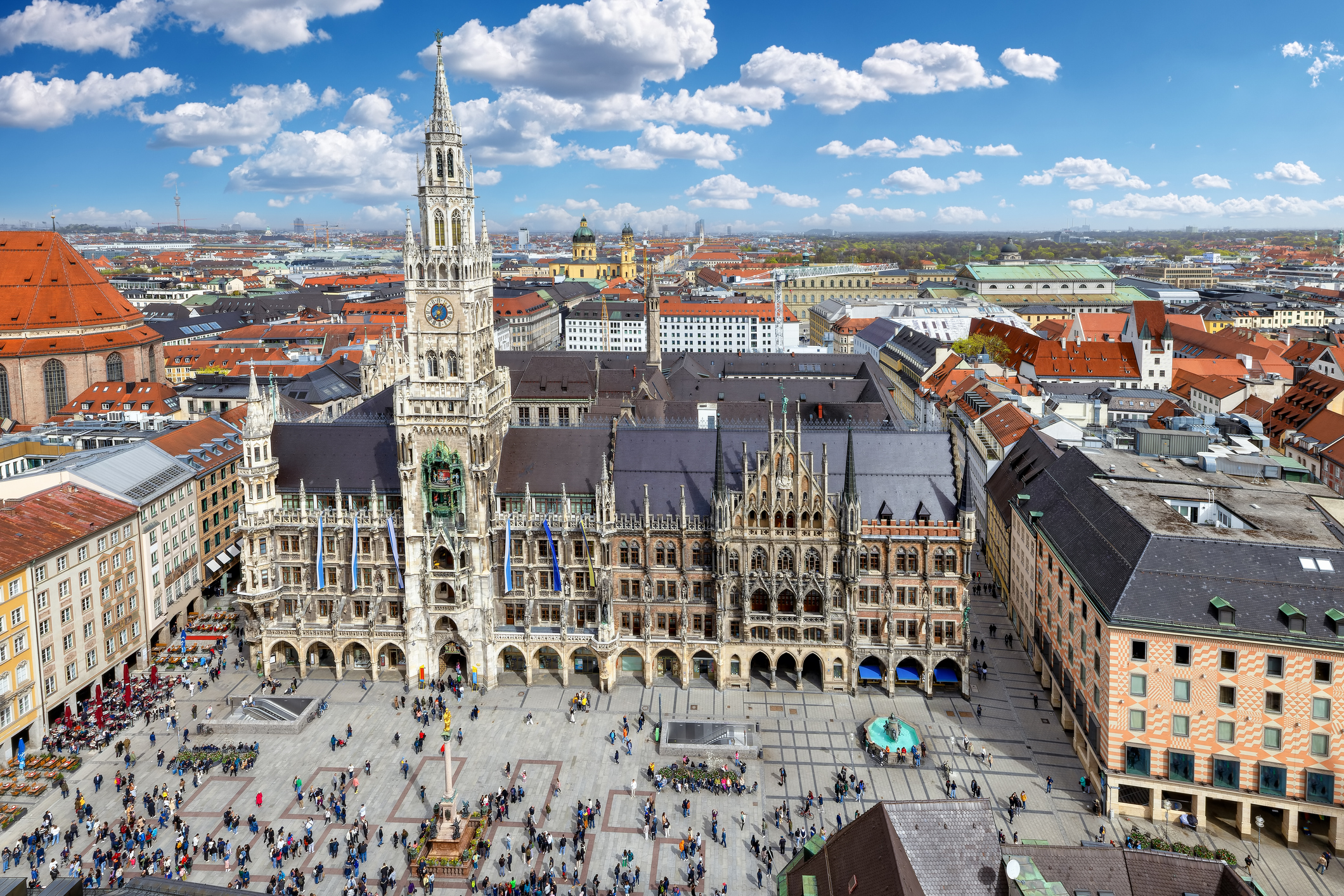
Marienplatz serves as Munich’s autobiography written in architecture, and one of the essential things to do in Munich for any first-time visitor. The Gothic Revival Neues Rathaus dominates the square with spires that announce 19th-century Bavaria’s cultural ambitions—this wasn’t just about governing a region, but about creating a capital worthy of European recognition. The Wittelsbachs understood that political power required cultural legitimacy, and they built accordingly.
The famous Rathaus-Glockenspiel performs its mechanical theater daily at 11 AM, drawing crowds for what amounts to an elaborate cuckoo clock performance. Honestly, this is Munich’s most overrated attraction—it’s charming in a mechanical way, but you’ll spend 15 minutes watching automated figures dance while missing the real attraction: the building itself, a testament to Munich’s determination to create something worthy of comparison with Vienna or Paris. If your Munich itinerary is tight, skip the show and admire the architecture instead.
The Hofgarten, tucked behind the Residenz, demonstrates Bavaria’s sophisticated interpretation of Italian Renaissance garden design. During summer months, this becomes one of Munich’s best spots for a peaceful break. Local office workers claim benches for precisely timed lunch breaks, elderly residents feed ducks with methodical German precision, and the central pavilion occasionally hosts small concerts that draw appreciative crowds of passersby.
Afternoon: Medieval Mastery at the Bavarian National Museum
The Bavarian National Museum stands out as one of Munich’s most underrated attractions, perfect for a summer afternoon when you need a break from the heat. I allocated two hours and stayed for four—this place is absolutely incredible and deserves a spot on every serious Munich itinerary.
The medieval armor collection showcases not just functional protection but artistic achievement that left me speechless. These sculptures, suits of armor, and tapestries aren’t just museum pieces—they’re masterworks that belonged to actual Bavarian knights. The craftsmanship rivals anything I’ve seen in major European capitals, demonstrating that medieval artisans understood defending life required beauty worthy of divine blessing.
The Gothic wood sculptures predate the Renaissance yet demonstrate artistic sophistication that makes contemporary religious art seem hurried by comparison. Each piece tells stories of medieval Bavarian spiritual life through masterful craftsmanship that honestly made me question everything I thought I knew about medieval art.
But it’s the folk art collection that illuminates something essential about Bavarian cultural identity. The painted furniture, ceremonial costumes, and religious carvings demonstrate how regional culture maintained coherence through centuries of political upheaval. This isn’t quaint traditionalism but evidence of cultural resilience—some of the most beautiful traditional craftsmanship I’ve ever encountered.
Evening: Hofbräuhaus and the Reality of Tourist Bavaria
Hofbräuhaus München occupies essential space in any Munich travel guide, though it requires proper expectations. The atmosphere achieves something remarkable—genuine gemütlichkeit that transforms strangers into temporary community through shared tables, folk music, and the kind of casual conversation that emerges over proper beer.
What I loved: The vibe is absolutely incredible. Watching Bavarian families share space with international tourists while everyone attempts songs they half-remember creates cross-cultural bonding that feels spontaneous rather than manufactured. The beer lives up to its legendary reputation, served in proper Maß steins that make American pint glasses seem apologetic by comparison.
What disappointed me: The food is genuinely terrible and overpriced. The sausages tasted mass-produced and underseasoned, the fries achieved mediocrity through apparent effort, and my €55 meal left me hungry and questioning Munich’s culinary reputation. This is definitely a “come for the cultural experience and beer education, eat elsewhere” situation that should be part of any honest Munich itinerary.
Day Two: Best Local Munich Experiences and University District
Morning: Maxvorstadt and Munich’s Best Coffee Culture
The university district (Maxvorstadt) reveals Munich’s contemporary character away from tourist crowds—an essential stop for any 3-day Munich itinerary. Maxvorstadt centers around Ludwig Maximilian University and creates the intellectual energy that all great university neighborhoods generate—international students, late-night cafés, bookshops, and conversation that ranges freely across disciplines and languages.
Lost Weekend became my favorite Munich discovery and represents everything I loved about the university district. This café attracts regulars who bring newspapers in three languages, debate philosophy over properly extracted espresso, and treat morning coffee as social institution rather than caffeine delivery. The breakfast was excellent and reasonably priced, providing welcome relief from tourist-area pricing while demonstrating that authentic Munich dining exists for those willing to venture beyond obvious choices.
The architecture in Maxvorstadt tells Munich’s evolution story—Art Nouveau apartment buildings reflecting turn-of-the-century optimism, postwar reconstruction demonstrating German resilience, contemporary renovations showing how historic preservation can coexist with modern functionality.
Afternoon: Munich Cycling Culture and Best WeWork Locations
Munich’s cycling infrastructure represents one of the best things about summer travel in the city. Protected bike lanes, traffic signals designed with cyclists in mind, and drivers who generally respect cycling as legitimate transportation create an urban environment that prioritizes human movement over automobile convenience.
What I absolutely loved: Exploring Munich by bicycle reveals neighborhood diversity that walking or public transport can’t provide. Turkish markets, Italian restaurants, international groceries, and the casual multiculturalism that characterizes modern German cities. This isn’t the Munich of tourism brochures, but it’s the Munich where actual residents build their daily lives.
The afternoon surprise came at WeWork Munich, where I’d stopped to handle work obligations. At exactly 4 PM, management announced daily beer service—not a special event but routine workplace culture that reflects German work-life balance understanding. For digital nomads or remote workers visiting Munich, WeWork locations offer excellent wifi, professional atmosphere, and this uniquely German approach to workplace culture. The WeWork Maximilianstrasse location is particularly well-situated for exploring the city center.
Evening: Munich’s Best Beer Garden Experience
Biergarten am Chinesischen Turm, located within the sprawling English Garden, represents authentic Munich beer garden culture at its finest—and absolutely one of the top things to do in Munich during summer. This isn’t restaurant dining with outdoor seating but a community institution that demonstrates why Munich’s beer gardens are legendary.
What made this experience incredible: Ancient chestnut trees provide natural cathedral architecture perfect for summer evenings. Families claim long tables for entire afternoon social sessions. Elderly locals engage in serious chess matches, children play in designated areas, and strangers share tables in the casual intimacy that defines German beer garden etiquette.
The beer quality justifies every positive stereotype about German brewing culture—properly lagered, served at correct temperature, accompanied by traditional pretzels that provide perfect salt-and-carb balance. Over three hours, temporary table companions became sources of local knowledge, political opinion, and the kind of spontaneous conversation that makes solo travel worthwhile.
This experience illuminated why Munich beer gardens aren’t simply restaurants but community centers where social bonds form across demographic lines, where families spend quality time without digital distraction, where sharing beer and conversation creates meaningful human connection.
Day Three: Hidden Munich Gems and Summer Activities
Morning: The English Garden’s Summer Paradise
The English Garden spans 3.7 square kilometers of genuine park space that becomes Munich’s summer playground. During warm months, this transforms into one of Europe’s best urban green spaces—streams meandering through meadows where locals sunbathe, dense woodland providing actual hiking opportunities, and the famous Eisbach river offering year-round surfing that creates one of Munich’s most uniquely charming scenes.
What I absolutely loved: Watching office workers surf an artificial river during lunch breaks while church bells echo across the water captures something essential about Munich’s character—a city that maintains space for the unexpected, the playful, the slightly absurd within otherwise highly organized urban life. This is definitely Instagram-worthy and one of the most unique things to do in Munich.
Afternoon: Infrastructure and Quality of Life
Munich’s attention to livability details reveals itself in unexpected places. The decorative fountains throughout the old town provide free, clean drinking water—beautiful design serving practical purpose while demonstrating municipal priorities that extend beyond tourist attraction to genuine citizen welfare.
This kind of thoughtful urban planning characterizes much of Munich’s approach to city living. Public transportation that actually transports efficiently, bike infrastructure that makes cycling pleasant rather than merely possible, green spaces that provide genuine recreation opportunities, and the kind of pedestrian-friendly downtown that makes walking a pleasure rather than survival exercise.
What I Loved vs. What Disappointed Me: Honest Munich Travel Tips
What I Absolutely Loved:
- Sculptures, suits of armor, and tapestries at Bavarian National Museum—world-class collection that rivals major European capitals
- Biergarten am Chinesischen Turm—perfect beer garden experience with incredible atmosphere and excellent beer
- Hip university district (Maxvorstadt)—authentic local energy away from tourist crowds
- Lost Weekend café—excellent coffee culture and reasonably priced breakfast
- Munich’s bike culture—outstanding cycling infrastructure and respectful drivers
- WeWork’s daily 4 PM beer service—uniquely German work-life balance culture
- Free clean drinking water from decorative fountains throughout old town
- General vibe at Hofbräuhaus—incredible atmosphere and authentic gemütlichkeit
What Disappointed Me:
- Rathaus-Glockenspiel—completely overrated tourist trap, skip this for better use of time
- Food at Hofbräuhaus—terrible sausages and soggy fries despite the amazing atmosphere
- Munich prices overall—meals averaged €50+ which felt excessive even for a major European city
This honest assessment should help you prioritize your Munich summer itinerary and set proper expectations for both the highlights and potential disappointments.
Why Munich Works
Munich succeeds as a contemporary European city because it solved the essential urban challenge: how to honor historical identity while embracing necessary change. The result is a place that feels both authentically Bavarian and genuinely international, traditionally German and modernly European.
The city demonstrates that urban planning can prioritize human welfare—through cycling infrastructure, functional public transportation, accessible green space, and the kind of mixed-use neighborhoods where people actually want to live rather than simply work or visit.
Three days provided solid introduction to Munich’s character but revealed depths that would reward extended exploration. The surrounding Bavarian countryside offers additional cultural discoveries, seasonal events create different urban experiences throughout the year, and the layers of history, architecture, and contemporary culture could sustain much longer investigation.
Complete 3-Day Munich Summer Itinerary: Practical Planning Guide
Best Time to Visit Munich: Summer months (June-August) offer perfect weather for beer gardens, English Garden activities, and outdoor exploration that makes this itinerary ideal.
Munich Summer Budget: Expect €80-120 daily including accommodation, meals, transport, and cultural activities. Tourist areas command premium prices, but authentic alternatives exist in residential neighborhoods like Maxvorstadt.
Getting Around Munich:
- Cycling: Most enjoyable exploration method for summer visits (€15-25 daily rental)
- Public Transport: Excellent S-Bahn, U-Bahn, and tram system with day passes
- Walking: Central Munich is quite walkable, especially the old town areas
Where to Stay in Munich: Central locations provide walking access to major attractions. The university district (Maxvorstadt) offers good value and authentic local atmosphere perfect for summer exploration.
Best Munich Attractions for Summer:
- Biergarten am Chinesischen Turm (English Garden)
- Bavarian National Museum (air conditioning during hot days)
- University district café culture
- English Garden surfing and sunbathing
- Free walking tours of architectural highlights
Munich Food Tips: Tourist areas are overpriced with mediocre quality. Seek out university district restaurants, authentic beer gardens, and local recommendations for genuine Bavarian cuisine during your summer visit.
Language: English widely spoken, especially in tourist areas and among younger locals. Basic German phrases appreciated in traditional establishments.
Munich rewards travelers who approach it with curiosity rather than preconceptions, who take time to explore beyond obvious attractions, and who appreciate cities that prioritize livability alongside cultural preservation. Sometimes the most rewarding travel experiences come from places that initially seem familiar but reveal unexpected depths to those willing to look carefully.